


If you're running a welding shop, managing a fabrication facility, or just trying to keep your lungs in working order, understanding OSHA welding ventilation requirements isn't optional. It's the law. And honestly? It's one of those rules that's actually trying to keep you alive, so maybe worth paying attention to.
OSHA's ventilation standards for welding are found primarily in 29 CFR 1910.252(c) for general industry. These regulations require adequate ventilation for all welding operations and specify mechanical ventilation when welding in confined spaces, when welding metals that produce toxic fumes, or when natural ventilation is insufficient. This guide breaks down what you need to know so you can stay compliant, keep your workers safe, and avoid some seriously nasty fines.
TLDR
- OSHA 29 CFR 1910.252(c) requires adequate ventilation for all welding operations. Mechanical ventilation is mandatory in spaces under 10,000 cubic feet per welder, with ceiling heights under 16 feet, or when structural barriers block cross ventilation.
- Specific hazardous materials trigger stricter rules. Working with zinc, lead, cadmium, mercury, beryllium, or stainless steel requires local exhaust ventilation, respiratory protection, or both.
- Confined space welding demands continuous ventilation and may require supplied air. Carbon monoxide and oxygen deficiency are life-threatening risks that general ventilation alone may not solve.
- Compliance means more than ventilation. Fire prevention, PPE, hazard communication, and worker training are all part of OSHA's welding safety requirements.
Ready to Meet OSHA Welding Ventilation Standards?
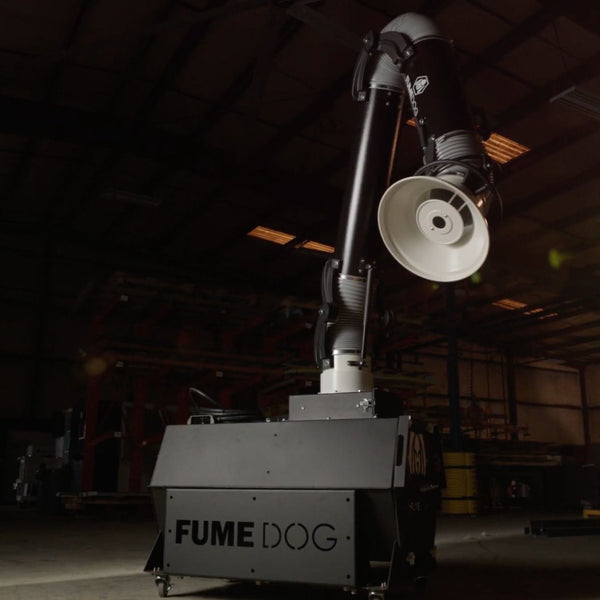
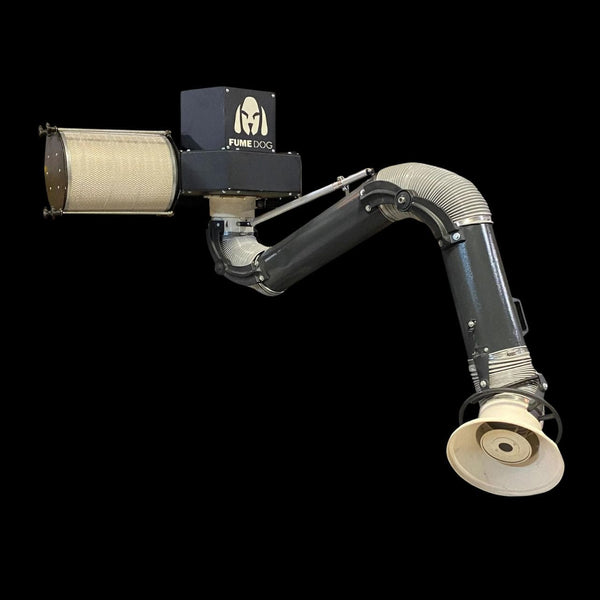
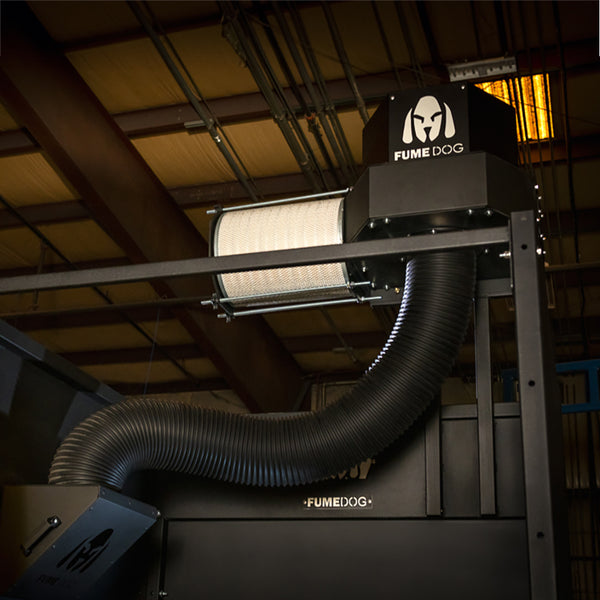
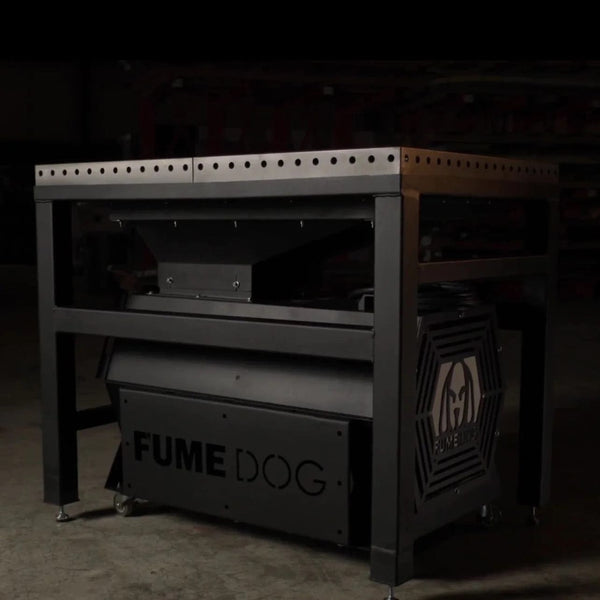
Staying compliant with OSHA ventilation requirements doesn't have to be complicated. Whether you need a portable fume extractor for a small shop or a full-scale extraction system for a multi-welder facility, the right equipment makes all the difference. Browse our full lineup of portable welding fume extractors and find the solution that keeps your shop compliant and your team breathing clean air.
See Our Featured Products
What Do OSHA Regulations Say About Welding Ventilation?
At its core, OSHA's stance on welding ventilation boils down to one principle: keep welding fumes, toxic gases, and dust below permissible exposure limits. Local exhaust or general ventilation systems must be provided and arranged to keep the amount of toxic fumes, gases, or dusts below the maximum allowable concentration as specified in OSHA's air contaminant standards.
That's the big-picture rule. But how you get there depends on your welding space, what welding processes you're using, the filler metals and base metals involved, and the type of ventilation systems you have in place. Let's break it all down.
When Is Mechanical Ventilation Required?
Not every welding job automatically demands a powered ventilation system, but a lot of them do. OSHA requires mechanical ventilation when welding in a space of less than 10,000 cubic feet per welder, in a room having a ceiling height of less than 16 feet, or in confined spaces or where the welding space contains partitions or other structural barriers that significantly obstruct cross ventilation.
So if you're working in a typical shop that doesn't feel like an airplane hangar, you almost certainly need mechanical ventilation. And even if your space is large enough, certain welding processes and specific materials can trigger the requirement regardless.
When Is Natural Ventilation Acceptable?
When welding and cutting mild steel, natural ventilation is usually considered sufficient provided the room or welding area contains at least 10,000 cubic feet for each welder, the ceiling height is not less than 16 feet, and cross ventilation is not blocked by partitions, equipment, or other structural barriers.
You also can't be welding in a confined space. When welding must be performed in a space entirely screened on all sides, the screens must be arranged so that no serious restriction of ventilation exists. Screens should be mounted so that they are about 2 feet above the floor to protect nearby workers from welding glare while still allowing airflow underneath. If all these conditions can't be met, it's time to bring in mechanical or local exhaust ventilation.
General Mechanical Ventilation for Welding and Cutting Operations
When natural ventilation falls short, general mechanical ventilation steps in. This is the baseline standard for general welding and cutting operations involving metals not covered by special material-specific requirements.
Minimum Airflow Rates and How Ceiling Height Plays a Role
OSHA's general ventilation requirement states that mechanical ventilation must provide at least 2,000 CFM (cubic feet per minute) per welder, or maintain a minimum airflow rate of 100 feet per minute in the welding zone. When the ceiling height is less than 16 feet, mechanical ventilation is required.
That 2,000 CFM per welder is not a suggestion. It's the minimum rate outlined by OSHA, and depending on your shop layout, the number of welders, and what you're welding, you may need more. If you're curious about how CFM ratings affect fume extraction performance, take a look at how many CFM you need for a welding fume extractor.
How Structural Barriers and Welding Space Layout Affect Airflow
Your shop layout matters more than you might think. In confined spaces or where the welding space contains partitions, balconies, or other structural barriers to the extent that they significantly obstruct cross ventilation, OSHA requires mechanical ventilation regardless of room size.
Walls, welding curtains, equipment, and partitions can all create dead spots where hazardous fumes accumulate. If cross ventilation can't flow freely through the welding space, such ventilation from natural sources won't cut it. You need an active system moving air. This is why understanding the most effective ventilation for welding is so important for shop design.

Our Featured Products
Local Exhaust Ventilation Systems
While general mechanical ventilation moves air throughout a space, local exhaust ventilation captures fumes right at the source before they ever reach a welder's breathing zone. For many welding operations, this is the preferred (and sometimes required) approach.
Local Exhaust Hoods and Extraction Arms
Local exhaust hoods are positioned as close to the welding arc as possible and pull contaminated air directly into a duct or filtration system. These can take the form of fixed hoods, movable extraction arms, or downdraft tables. The goal is always the same: capture hazardous welding fumes before they spread.
The exhaust system must provide enough capture velocity (typically 100 FPM at the welding point) to keep fumes out of the welder's breathing zone. If you want to learn more about the different types of capture devices available, check out our guide on fume extraction arms and their purposes.
When Local Exhaust Systems Are Mandatory
For general welding on mild steel and iron powder electrodes, local exhaust is one option among several. But when you start working with certain metals, OSHA gets very specific. Local exhaust systems become mandatory (or at least one half of a mandatory either/or with airline respirators) for welding operations involving:
- Fluorine compounds
- Zinc-bearing materials (galvanized steel)
- Lead-bearing materials and lead base metals
- Cadmium-coated base metals
- Mercury-bearing materials
- Beryllium-containing base or filler metals
- Stainless steel (when cutting)
We'll get into the details on each of those below.
Ventilation for Specific Materials and Hazardous Welding Fumes
OSHA sections 1910.252(c)(5) through (c)(12) lay out requirements for cutting operations involving metals and welding processes that produce especially dangerous fumes. When you're dealing with these specific materials, general ventilation alone won't keep you compliant.
Fluorine Compounds and Zinc-Bearing Materials
Welding with low-hydrogen electrodes, certain fluxes, or a chemical flux containing fluorine compounds requires local exhaust ventilation, general mechanical ventilation, or respiratory protective equipment. The same goes for zinc-bearing base metals or metals coated with zinc-bearing materials. Anyone who's ever welded galvanized steel without proper ventilation knows the misery that follows — hello, metal fume fever. This condition, caused by inhaling zinc oxide fumes, brings flu-like symptoms that can knock you flat.
Lead-Bearing Materials and Cadmium-Coated Base Metals
In confined spaces or indoors, welding or cutting operations involving metals containing lead, other than as an impurity, or metals coated with lead-bearing materials, including paint, must be done using local exhaust ventilation or airline respirators. Outdoors, respirators approved by NIOSH are required.
The same strict requirements apply to cadmium-coated base metals. In confined spaces or indoors, welding or cutting operations involving cadmium-bearing or cadmium-coated base metals must be done using local exhaust ventilation or airline respirators unless atmospheric testing proves worker exposure is within acceptable limits. Cadmium fumes are extremely dangerous — they can cause serious lung damage and are classified as a carcinogen. There's no room for shortcuts here.
Mercury Bearing Materials and Beryllium Containing Base or Filler Metals
In confined spaces or indoors, welding or cutting operations involving metals coated with mercury-bearing materials, including paint, must be done using local exhaust ventilation or airline respirators unless atmospheric testing confirms exposure is within acceptable limits.
Beryllium gets even stricter treatment. Welding or cutting indoors, outdoors, or in confined spaces involving beryllium-containing base or filler metals shall be done using local exhaust ventilation and airline respirators unless atmospheric tests have confirmed worker exposure is within safe limits. Notice the "and" — beryllium is one of the few materials where OSHA requires both local exhaust and supplied air respiratory protection simultaneously.
Stainless Steel and Cutting Involving Fluxes
Oxygen cutting or gas shielded arc cutting of stainless steel requires either local exhaust ventilation or respiratory protective equipment due to the generation of hexavalent chromium fumes. Hexavalent chromium is a known carcinogen with extremely low exposure limits, which is why OSHA takes it seriously. To understand more about this specific hazard, read up on what you need to know about hexavalent chromium.
Cutting involving fluxes that contain fluorine compounds also triggers ventilation requirements. Any cutting operations involving metals with these coatings need adequate ventilation or respiratory protection to protect nearby workers from fluorine compound exposure.
Welding Ventilation in Confined Spaces
Confined spaces welding is where things get the most dangerous — and where OSHA requirements get the most stringent. A confined space limits airflow, concentrates fumes, and can create oxygen-deficient atmospheres in minutes.
Supplied Air Respiratory Protection in Poorly Ventilated Spaces
All welding and cutting operations carried on in confined spaces shall be adequately ventilated to prevent the accumulation of toxic materials or possible oxygen deficiency. This applies not only to the welder but also to helpers and other personnel in the immediate vicinity. All air replacing that withdrawn shall be clean and respirable.
When adequate ventilation cannot be achieved in poorly ventilated spaces, air line respirators or supplied air respiratory protection become mandatory. When sufficient ventilation cannot be obtained without blocking the means of access, employees in the confined space shall be protected by air line respirators.
For more on why this matters, take a look at our post on ventilation when welding in a confined space.
Preventing Carbon Monoxide and Toxic Gas Buildup
One of the biggest risks in confined spaces is carbon monoxide accumulation. The welding, cutting, or heating task itself produces metal fumes, gases, and smoke, and there is an inherent risk of incapacitation should exposure levels suddenly spike.
In a confined space, these toxic gases have nowhere to go. Ventilation systems need to continuously supply clean air and exhaust contaminated air. The employer must conduct air sampling within the confined space where welding is being performed and determine that natural ventilation maintains the atmospheric hazard below the threshold limit values. If it doesn't, mechanical or local exhaust ventilation is non-negotiable.
Beyond Ventilation: Other OSHA Welding Safety Essentials
Ventilation requirements are a critical piece of the puzzle, but OSHA's welding safety standards go well beyond airflow. Here are the other key areas you need to address.
Personal Protective Equipment and Respiratory Protective Equipment
Even with adequate ventilation, welding equipment operators should be outfitted with the appropriate personal protective equipment. This includes welding helmets with the correct shade lens for the welding process, protective clothing, gloves, and, when necessary, respiratory protective equipment. PPE is the last line of defense when engineering controls like ventilation can't bring worker exposure below exposure limits on their own.
The right combination of welding safety gear depends on what you're welding, where you're welding, and how much fume exposure you're dealing with. For a deeper look at hazardous compounds you might encounter, read about what compounds are found in common welding fumes.
Fire Prevention, Fire Watch, and Flammable Materials
OSHA's fire prevention requirements for welding are detailed and specific. Flammable materials must be relocated at least 35 feet from the welding operation. When that isn't possible, they must be shielded with fire-resistant covers or guards.
A fire watch is required whenever welding occurs in areas where combustible material is nearby and a fire could develop. The fire watch must be maintained for at least 30 minutes after welding operations are completed. Physical hazards like electric shock also need to be accounted for — making sure welding equipment is properly grounded and that wet conditions are addressed.
Welding Safety Training and Occupational Safety Requirements
OSHA requires that welders and supervisors receive proper welding safety training on the safe operation of their equipment and processes. Additional standards apply for specific hazards like respiratory protection and hazard communication.
Hazard communication is a big one. Employers must ensure that workers have access to safety data sheets for all filler metals, fluxes, and coatings used in welding operations, and that workers are trained on the hazards associated with these materials. Understanding occupational safety rules isn't just about avoiding fines — it's about making sure everyone goes home with the same number of fingers and lungs they showed up with. For more tips on building a safer shop environment, check out 3 simple tips for improving welding safety.
How to Stay Compliant with OSHA Welding Ventilation Standards
Knowing the rules is step one. Actually, staying compliant is where most shops need to put in the work.
Assessing Air Quality and Worker Exposure
Compliance starts with understanding what's in the air. Regular air quality monitoring helps determine whether worker exposure to hazardous fumes and toxic gases stays below OSHA's permissible exposure limits and ACGIH threshold limit values. Ventilation selection depends upon workspace volume, workspace configuration, number of welders, welding process and current, consumables used (mild steel, hardfacing, stainless, etc.), and the specific materials being welded.
If you're not monitoring, you're guessing. And guessing isn't a compliance strategy. For actionable advice on keeping the air clean, check out tips for maximizing indoor air quality for welders.
Choosing the Right Ventilation Systems and Welding Equipment
The best ventilation setup for your shop depends on what you weld, how many welders you have, and the layout of your welding space. Options include general mechanical ventilation, local exhaust systems with extraction arms, downdraft tables, welding booths with integrated fume extraction, and portable fume extractors.
For most shops, a combination of these systems provides the best coverage. Local exhaust captures fumes at the source during active welding, while general ventilation handles ambient air quality throughout the facility. Knowing how to choose the right fume extractor system for your specific operation is key to meeting ventilation requirements without overcomplicating things.

Frequently Asked Questions
What is the difference between general mechanical ventilation and local exhaust ventilation for welding?
General mechanical ventilation moves air throughout the entire welding space to dilute airborne contaminants. It requires a minimum rate of 2,000 CFM per welder and relies on the overall volume of airflow to reduce hazardous fume concentrations. Local exhaust ventilation, on the other hand, captures fumes directly at the source using local exhaust hoods, extraction arms, or downdraft tables. For many cutting operations, local exhaust is the more effective option because it removes contaminants before they ever reach the welder's breathing zone.
Do I need airline respirators if I have good ventilation?
Not necessarily, but it depends on what you're welding. For general welding on mild steel in a properly ventilated shop, respiratory protection may not be required. But when working with beryllium-containing base metals, cadmium, lead, or mercury, OSHA may require airline respirators even when ventilation exists — especially in confined spaces. Supplied air respiratory protection is mandatory whenever ventilation alone can't keep worker exposure below OSHA's permissible exposure limits.
Are welding helmets considered respiratory protective equipment?
No. Welding helmets protect your eyes and face from arc flash, sparks, and radiant energy, but they do not filter the air you breathe. Respiratory protective equipment is a separate category that includes half-mask and full-face respirators, powered air-purifying respirators, and supplied air systems. OSHA treats eye protection and respiratory protection as distinct requirements under its welding safety standards.
What does OSHA require for hazard communication related to welding fumes?
OSHA's hazard communication standard (1910.1200) requires employers to maintain safety data sheets for all potentially hazardous materials used in welding, including filler metals, coatings, and fluxes. Workers must be trained to understand the hazards of the materials they work with and have access to labels and SDSs. This applies to all welding operations, not just those involving specific high-risk materials.
How do I protect nearby workers who aren't welding?
OSHA requires that steps be taken to protect nearby workers from both fume exposure and arc radiation. Ventilation systems should be designed to prevent hazardous fumes from drifting into adjacent work areas. Welding screens and curtains can block arc glare, and they should be positioned to allow airflow while still shielding non-welding personnel. When cutting operations produce especially dangerous fumes, local exhaust should be positioned to capture contaminants before they can reach other workers in the area.
Does OSHA have specific ventilation rules for oxygen cutting and gas shielded arc cutting?
Yes. Oxygen cutting and gas shielded arc cutting of stainless steel and other metals of toxic significance have specific ventilation requirements under OSHA 1910.252(c)(12). These operations can produce hexavalent chromium and other dangerous compounds, so local exhaust ventilation or respiratory protection is required. Similarly, cutting involving fluxes or a chemical flux that releases fluorine compounds falls under the fluorine compound requirements in 1910.252(c)(5).