

If you're a welder, you already know the job comes with its fair share of hazards. Burns, arc eye, noise exposure, the list goes on. But there's one danger that doesn't announce itself with a bright flash or a loud bang, and it's one of the most serious health risks you can face on the job: manganese exposure from welding fumes.
Manganese is present in nearly every type of steel and welding consumable. Every time you strike an arc, manganese-containing fumes become airborne, and if you're breathing them in without proper protection, the damage can quietly build over time. We're talking about neurological effects, lung damage, and a long list of health problems that no paycheck is worth ignoring.
This guide breaks down exactly what manganese does to your body, the exposure limits set by regulatory agencies, and how you can keep yourself safe. If you've ever wondered whether welding fumes are truly toxic, this post will make the answer pretty clear.
TLDR
- Manganese is present in most welding consumables, and when inhaled as fume, it bypasses the body's natural defenses and can cause serious neurological damage, organ harm, and fertility problems.
- Symptoms follow a dose-dependent progression, starting with subtle mood and memory changes and potentially advancing to irreversible parkinson like symptoms (manganism).
- Current OSHA exposure limits are considered outdated by many experts, with the ACGIH recommending significantly stricter limits.
- Source capture fume extraction is the most effective way to keep manganese out of the welder's breathing zone and protect long-term health.
Ready to Protect Your Team?
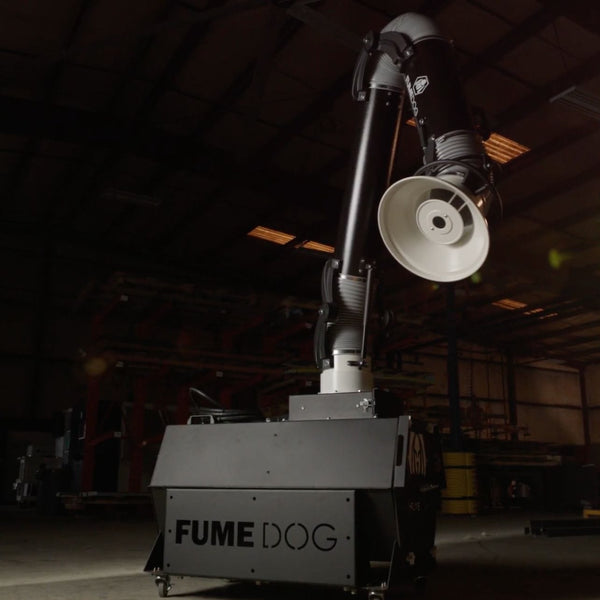
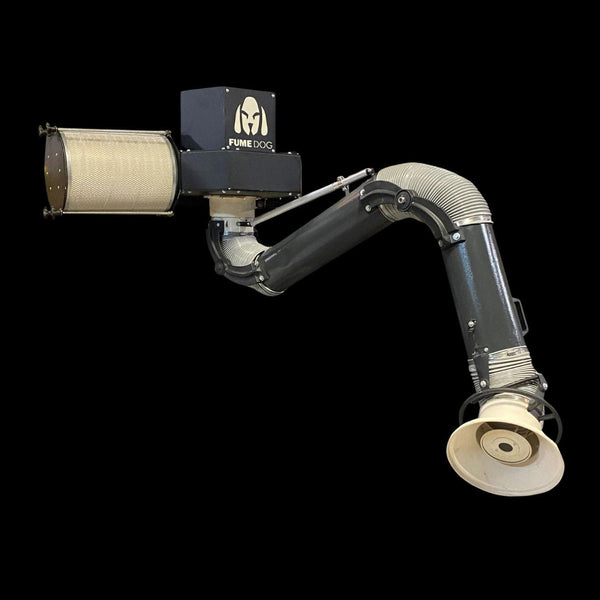
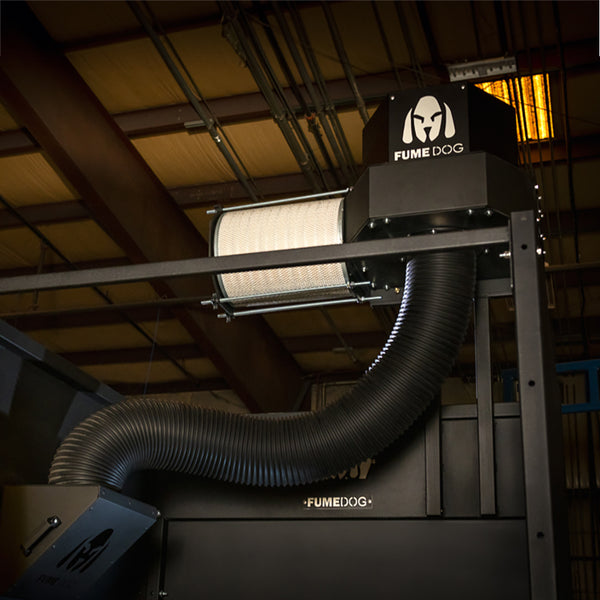
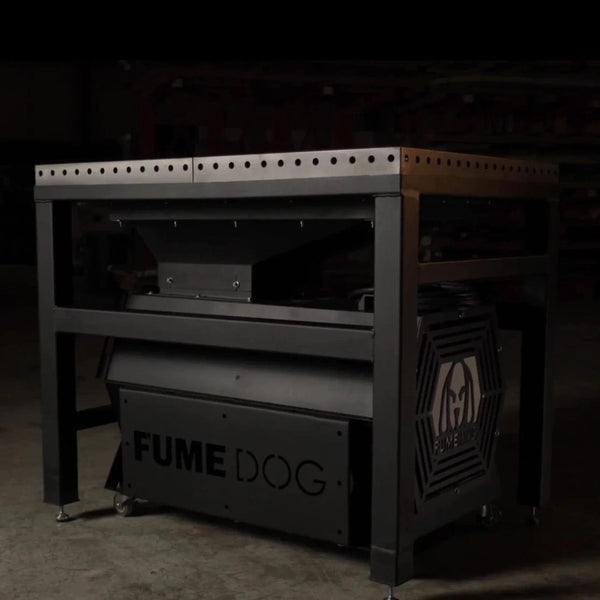
Your lungs and your brain aren't replaceable. Your fume extractor is. If you're serious about keeping manganese fumes out of your shop and out of your body, it's time to invest in a fume extraction system that actually gets the job done. Check out our portable welding fume extractors and find the right fit for your setup. Your future self will thank you.

See Our Featured Products
What Is Manganese and Why Is It in Welding Fumes?
Manganese as an Essential Nutrient
Here's the thing about manganese: your body actually needs it. Manganese is an essential nutrient found naturally in whole grains, nuts, seeds, and other foods. In small dietary amounts, it supports bone health, metabolism, and brain function. A healthy person with normal liver and kidney function can excrete excess dietary manganese without any issues. Your body processes it through the liver and kidneys, and whatever it doesn't need gets flushed out.
So if manganese is something your body handles just fine through food, why is it so dangerous in welding? Great question.
How Manganese Gets Into the Air During Welding Operations
The problem starts the moment you light up an arc. Manganese is added to welding wire and electrodes because it plays an important role in the welding process. It acts as a deoxidizer, binding with oxygen to keep it from contaminating the weld pool and weakening the finished joint. Without it, you'd end up with brittle, low-quality welds.
But when manganese is heated to the extreme temperatures of an electric arc, it vaporizes and becomes part of the fume plume that rises from the weld. During manual welding and other welding operations, these tiny respirable manganese particles float right into your breathing space. Unlike dietary manganese, inhaled manganese bypasses the body's natural filtration. It enters through the lungs, and a portion of it can travel directly to the brain via the olfactory nerve, skipping the blood-brain barrier entirely.
That's what makes it so dangerous. Your body knows how to handle manganese in your food. It has no idea what to do with manganese that's been inhaled directly into your lungs and brain. For a deeper look at the different compounds found in common welding fumes, we've got a full breakdown worth reading.
How Manganese Exposure Affects Your Body
The Central Nervous System and Neurological Effects
The central nervous system takes the biggest hit from manganese overexposure. Many researchers have studied the link between manganese inhalation and neurological damage, and the evidence is hard to ignore. Chronic exposure to manganese-containing welding fumes has been associated with a condition called manganism, a severe neurological disorder that mimics the symptoms of Parkinson's disease.
Researchers at Washington University School of Medicine found that welders exposed to manganese fumes experienced progressive neurological symptoms, and the more exposure they accumulated, the faster those symptoms progressed. We're not talking about decades of exposure either. Measurable changes in brain function have been documented in workers exposed to concentrations that fall well below current safety standards.
The neurological effects can include tremors, slowness of movement, muscle rigidity, difficulty speaking, and poor balance. What makes this particularly concerning is that manganese tends to accumulate in a specific region of the brain called the globus pallidus, and the damage can be difficult or impossible to reverse once it sets in.
Lung, Liver, and Kidney Function Damage
Your brain isn't the only organ at risk. Inhaled manganese can cause significant damage to the lungs, liver, and kidneys. Workers exposed to high concentrations may develop lung infection, pulmonary inflammation, and reduced lung capacity over time. The liver and kidneys, which normally help your body excrete excess dietary manganese from food, can become overwhelmed when manganese enters the body through inhalation instead of digestion. This can impair kidney function and disrupt the normal liver processes that would otherwise keep manganese levels in check.
Fertility Problems and Other Health Effects
Beyond neurological and organ damage, manganese overexposure has been linked to fertility problems in male workers. Studies have found that men with prolonged exposure to elevated manganese levels may experience reduced reproductive function. This is one of those health effects that often gets overlooked in conversations about welding safety, but it's a real concern for younger welders who plan to start families.
Manganese exposure has also been associated with metal fume fever, a flu-like illness that can hit within hours of heavy fume inhalation. If you want to know more about this condition and how to avoid it, check out our guide on how to prevent metal fume fever.
The Dose-Dependent Progression of Manganese-Related Symptoms
One of the most important things to understand about manganese toxicity is that it follows a dose-dependent progression. This isn't an all-or-nothing situation. The health risks build gradually, and by the time you notice something is off, the damage may already be significant.

Early Warning Signs After a Few Months
In the early stages, which can appear after just a few months of unprotected exposure, the signs are subtle. Workers may notice changes in mood, irritability, difficulty concentrating, and short-term memory loss. Altered reaction time and reduced hand-eye coordination are also common early indicators. These symptoms are easy to brush off as stress, fatigue, or just having an off day, which is exactly why they're so dangerous. Most people don't connect them to what's happening on the shop floor.
What Happens When Symptoms Progress and Worsen
With more exposure over time, symptoms worsen considerably. The subtle cognitive changes give way to visible motor dysfunction: tremors in the hands, stiff movements, poor balance, difficulty walking, and slurred speech. These are the parkinson like symptoms that define manganism. At this stage, many of the effects may be permanent. The damage to the basal ganglia region of the brain does not fully reverse, even after exposure stops. This is why early detection and prevention matter so much. Waiting until you "feel sick" is waiting too long.
Welding Fume Exposure Limits and Safety Standards
If manganese is this dangerous, you'd think the exposure limits would be set extremely low, right? The answer is complicated. Different agencies have set different limits, and many researchers argue that even the strictest current standards may not be low enough. For a full rundown of regulatory numbers, our blog post on welding fume exposure limits goes into greater detail.
OSHA's Standards and the Permissible Exposure Limit
The Occupational Safety and Health Administration (commonly referred to as the health administration responsible for workplace safety enforcement in the U.S.) sets a permissible exposure limit (PEL) for manganese fumes at a ceiling of 5 mg/m³. Many occupational safety experts consider OSHA's standards outdated, as they haven't been updated in decades and offer orders-of-magnitude less protection than recommendations from other agencies.
The American Conference of Governmental Industrial Hygienists Threshold Limit
The American Conference of Governmental Industrial Hygienists (ACGIH) takes a much stricter approach. Their threshold limit value (TLV) for respirable manganese is set at 0.02 mg/m³, which is lower than OSHA's requirement. The ACGIH bases its limits on the latest scientific evidence, and the significant gap between its recommendation and OSHA's standard tells you a lot about how seriously the scientific community takes this hazard. For context, studies have documented neurological effects in manganese-exposed welders at concentrations as low as 0.2 mg/m³, which is well below OSHA's ceiling but above the ACGIH threshold limit.
The National Institute for Occupational Safety and the Recommended Exposure Limit
The National Institute for Occupational Safety and Health (NIOSH) has set a recommended exposure limit (REL) for manganese at 1 mg/m³ as a time-weighted average. While this is significantly lower than OSHA's PEL, it's still higher than the ACGIH's threshold. NIOSH recommendations aren't legally enforceable the way OSHA's are, but they represent the agency's best scientific judgment on what constitutes a safe workplace. Understanding OSHA welding ventilation requirements is a great starting point for any shop looking to stay compliant.
Why Confined Space Welding Increases the Danger
Manganese Fumes in the Welder's Breathing Zone
Confined space welding is where manganese exposure can go from concerning to outright dangerous in a hurry. When you're welding inside a tank, vessel, pipe, or any enclosed area, the fumes have nowhere to go. They accumulate rapidly in the welder's breathing zone, and concentrations can spike well above the levels found in open-shop environments. Even a small percentage of manganese in the welding consumable can produce dangerously high levels of airborne manganese when ventilation is restricted.
This is why proper airflow is absolutely critical in confined space situations. Without it, you're essentially hotboxing yourself with neurotoxic fumes. Not exactly the kind of hotbox anyone should be signing up for. To understand why ventilation is so important in these situations, read about ventilation for confined space welding safety.
Carbon Monoxide and Hexavalent Chromium Risks
Manganese isn't the only villain in the confined space welding story. Carbon monoxide is produced during many welding processes and can accumulate to dangerous levels in enclosed areas, creating an increased risk of poisoning. Hexavalent chromium, another highly toxic compound generated during stainless steel welding, presents its own set of serious health risks, including respiratory damage and cancer. When you combine manganese fumes with carbon monoxide and hexavalent chromium in a small, poorly ventilated area, the health risks multiply fast. Learn more about what you need to know about hexavalent chromium exposure in our dedicated post.
How to Protect Yourself and Other Workers
The good news? Manganese exposure is preventable. You don't have to accept neurological damage as part of the job description. With the right combination of engineering controls, work practices, and personal protective equipment, welders and other workers can dramatically reduce their risk.

Personal Protective Equipment and Source Capture
Personal protective equipment (PPE) is your last line of defense, not your first. Respirators rated for welding fumes can filter out respirable manganese particles, but they should be used alongside engineering controls rather than as a substitute. The most effective way to reduce manganese fumes in the welder's breathing zone is through source capture, which means extracting fumes at the point of generation before they have a chance to spread throughout the shop. To explore the different source capture options for weld fume extraction, we've put together a comparison that's worth checking out.
Choosing the Right Fume Extraction System
When it comes to protecting your crew from the health risks of welding manganese and every other nasty compound in welding fumes, a quality fume extraction system is the single best investment you can make. Portable extractors, wall-mounted units, downdraft tables, and extraction arms all serve different purposes depending on your shop layout and the type of work you do. The key is matching the right system to your specific welding operations so that fumes are captured efficiently at the source. A good fume extractor doesn't just keep you compliant with occupational safety regulations. It keeps your people healthy, period.
Frequently Asked Questions
How quickly can manganese from welding fumes affect a welder's health?
The timeline varies depending on the intensity and duration of exposure, but some welders have reported early symptoms after just a few months of working without proper fume extraction. At high levels of exposure, health effects like mood changes and cognitive difficulties can develop relatively quickly. The longer the exposure continues without intervention, the more severe the damage becomes.
Can the body remove inhaled manganese the same way it handles manganese from food?
No. When you eat foods containing manganese, your body can process and eliminate what it doesn't need through normal liver and kidney function. Inhaled manganese from fumes bypasses the digestive system entirely. It enters through the lungs and can travel directly to the brain, which is why even a small percentage of manganese in welding consumables can pose a serious risk to exposed workers.
What is manganism, and how is it different from Parkinson's disease?
Manganism is a neurological condition caused by chronic manganese overexposure. It produces parkinson like symptoms including tremors, stiffness, slow movement, and difficulty with speech and balance. While manganism and Parkinson's disease share similar outward symptoms, they affect slightly different areas of the brain. Manganism primarily targets the globus pallidus, while Parkinson's disease affects the substantia nigra. Both are serious, and both are reasons to take welding safety seriously.
Are current OSHA exposure limits strict enough to protect welders from manganese?
Many researchers and occupational health experts believe that current standards set by OSHA may not be sufficient to protect welders from the neurological effects of manganese. The ACGIH's threshold limit is a magnitude lower than OSHA's permissible exposure limit, reflecting more recent scientific findings. This is why relying solely on compliance with minimum legal standards isn't always enough to keep your team safe.
Does the type of welding wire or electrode affect how much manganese is in the fumes?
Yes. Different welding consumables contain varying amounts of manganese. Some welding wire and electrode formulations have higher manganese content than others. The welding process itself also plays a role. Certain processes generate more fumes overall, which means more manganese particles in the air. Checking the Safety Data Sheet (SDS) for your consumables is a good habit to get into so you know exactly what you're working with.
What's the best way to reduce manganese exposure in a welding shop?
The most effective approach combines source capture fume extraction with proper ventilation and appropriate personal protective equipment. Source capture systems pull fumes away from the welder's breathing zone before they can spread, while general ventilation helps maintain overall air quality in the workspace. PPE, specifically respirators rated for welding fumes, should serve as a backup layer of protection rather than the primary defense.