

Welding in confined spaces presents unique challenges that can put workers at serious risk. Unlike open-air welding environments, confined spaces trap welding fumes, toxic gases, and other airborne contaminants, creating potentially deadly conditions. Without proper ventilation, welders face exposure to dangerous concentrations of toxic welding fumes and oxygen-deficient atmospheres that can lead to serious health consequences or even fatalities.
The importance of adequate ventilation in confined space welding cannot be overstated - it's literally a matter of life and death. This comprehensive guide explores why ventilation systems are critical for confined space welding operations and how to implement effective safety measures.
Key Takeaways
• Confined spaces trap welding fumes and toxic gases, making proper ventilation essential for worker safety
• Local exhaust ventilation is more effective than dilution ventilation for capturing contaminants at the source
• Continuous air quality monitoring and appropriate personal protective equipment are critical safety measures
• Different welding processes require tailored ventilation strategies based on their specific hazard profiles
See Our Featured Products
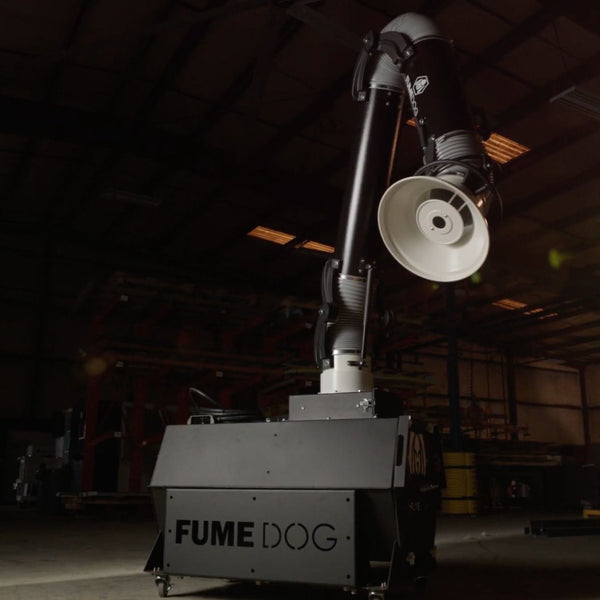
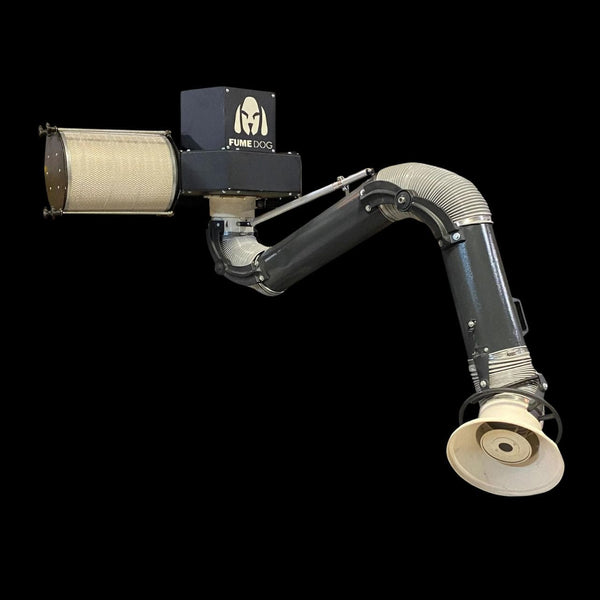
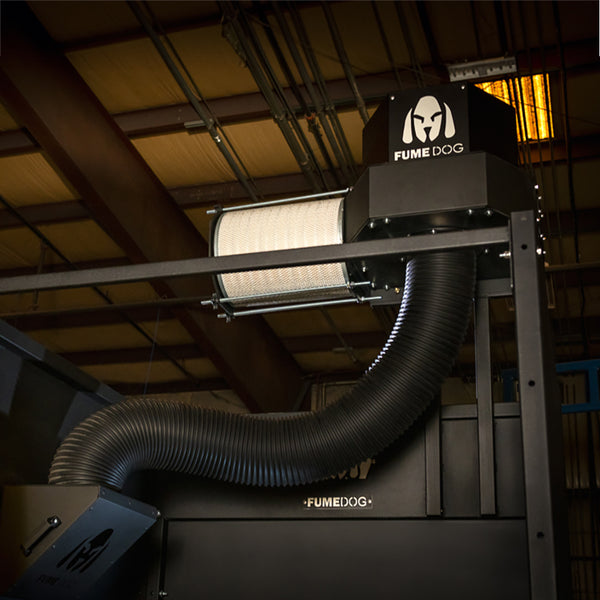
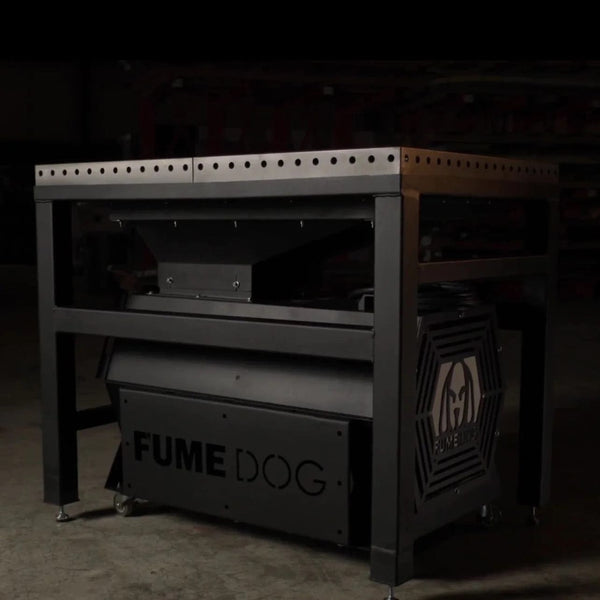
Protect Your Team with Professional Fume Extraction

Don't compromise on safety when it comes to confined space welding operations. Fume Dog's comprehensive range of fume extraction systems provides the reliable performance you need to keep your workers safe and maintain compliance with safety regulations. From portable units for flexible applications to permanent installations for consistent protection, we have solutions designed specifically for challenging welding environments.
Explore our complete collection of fume extraction systems and find the right solution for your confined space welding operations today.
Understanding Confined Spaces and Their Welding Hazards
What Makes Confined Space Welding Different
Confined spaces create a perfect storm of hazardous conditions during welding operations. These environments typically have limited entry and exit points, restricted airflow, and are not designed for continuous human occupancy. When welding processes generate toxic gases, welding fumes, and consume oxygen, these contaminants become concentrated in the confined space air with nowhere to dissipate naturally.
The welder's breathing zone becomes compromised quickly as natural ventilation is insufficient to remove dangerous substances. Unlike open welding environments where natural airflow helps disperse contaminants, confined spaces trap everything - from carbon monoxide to toxic substances generated by the welding process.
Common Toxic Gases and Welding Fumes in Confined Spaces
The welding process produces various airborne contaminants that become concentrated in confined spaces. These include toxic fumes containing heavy metals, toxic gases like carbon monoxide, and combustible gases that can create explosive atmospheres.
Without proper ventilation, these contaminants accumulate to dangerous levels. Workers may experience oxygen deficiency as welding processes consume available oxygen, while simultaneously increasing exposure to harmful substances that can cause metal fume fever and other serious health issues.
Ventilation Systems for Confined Space Welding Safety

Local Exhaust vs. Dilution Ventilation
Understanding different ventilation approaches is crucial for confined space welding safety. Local exhaust ventilation captures contaminants directly at the source using exhaust hoods or extraction arms, preventing them from entering the welder's breathing zone. This method is highly effective because it removes toxic fumes before they can spread throughout the confined space.
Dilution ventilation works differently by supplying large volumes of fresh air to reduce contaminant concentrations. While less efficient than local exhaust, it can be necessary when local exhaust systems aren't feasible in certain confined space configurations.
Mechanical Ventilation Solutions
Mechanical ventilation systems are often essential for confined space work since natural ventilation is inadequate. These systems use exhaust fans and air supply mechanisms to create controlled airflow patterns that remove contaminants and supply breathable air.
Portable weld fume extractors offer flexibility for confined space applications where permanent installations aren't practical. These units can be positioned to capture welding fumes directly while providing the mobility needed for various confined space welding applications.
For more permanent installations, wall mount fume extractors can provide consistent performance when properly integrated into the confined space ventilation design.
Ensuring Adequate Fresh Air Supply
Maintaining adequate ventilation requires careful attention to air supply as well as exhaust. The air supply must provide sufficient fresh air to replace contaminated air being removed while maintaining appropriate ventilation rates for the specific welding work being performed.
Effective ventilation systems must also prevent the recirculation of contaminated room air back into the breathing zone. This requires understanding how welding fume extractors work and proper system design to ensure contaminants are captured and removed from the workspace.
Worker Safety and Breathing Zone Protection
Personal Protective Equipment Requirements
Appropriate personal protective equipment serves as a critical backup to ventilation systems. Respiratory protective equipment becomes essential when ventilation alone cannot maintain safe air quality levels. Workers must use respiratory protection specifically rated for the contaminants present in their welding application.
However, personal protective equipment should never be considered a substitute for proper ventilation. The hierarchy of safety controls places engineering controls like ventilation systems before personal protective equipment in the safety protocol.
Monitoring Air Quality and Oxygen Levels
Continuous monitoring of air quality and oxygen levels is essential for safe working conditions in confined spaces. Gas detectors must be used to test air quality before entry and continuously during welding work. These devices can detect oxygen deficient atmospheres, combustible gases, and toxic substances that pose risks to worker safety.
Regular air quality testing helps ensure that ventilation systems are performing effectively and that welding fume exposure limits are not exceeded. This monitoring is particularly important because conditions can change rapidly during welding operations.

Effective Ventilation Strategies for Different Welding Processes
Different welding processes require tailored ventilation approaches based on the specific contaminants they produce. Some welding applications generate more toxic fumes than others, while certain processes may produce inert gas that displaces oxygen in the confined space.
Understanding these differences allows safety professionals to implement 3 ways to minimize exposure to welding fumes effectively. The ventilation strategy must account for the specific hazards present while ensuring adequate air circulation throughout the confined space.
Heat buildup is another consideration, as confined spaces can become dangerously hot during welding operations. Ventilation systems must address both contaminant removal and temperature control to maintain safe working conditions.
Frequently Asked Questions
What type of respiratory protection is required for welding in confined spaces?
Confined spaces welding typically requires supplied-air respirators or powered air-purifying systems, not just standard respirators. The limited ventilation in confined spaces makes oxygen deficiency and fume accumulation serious concerns that standard respiratory protection can't address.
How do you test air quality before beginning confined space welding work?
Use calibrated gas detectors to check oxygen levels, combustible gases, and toxic substances before entry. Testing should occur at different levels within the space since gases may stratify based on their density relative to air.
What safety and rescue operations procedures are needed for confined space welding?
Comprehensive safety and rescue operations require trained attendants outside the space, communication systems, emergency retrieval equipment, and coordination with local emergency services. These defined safety measures must be in place before any confined space work begins.
How does local exhaust ventilation differ from general workspace ventilation?
Local exhaust ventilation captures contaminants directly at their source using hoods or extraction arms, while general ventilation dilutes contaminants throughout the space. Local exhaust is more efficient for removing welding fumes before they enter the welder's breathing zone.
What role does appropriate ventilation play in preventing oxygen deficient atmospheres?
Appropriate ventilation prevents oxygen deficient atmospheres by ensuring adequate fresh air supply while removing oxygen-consuming processes and inert gas that can displace breathable air in the confined space.
How do flammable materials affect confined space welding ventilation requirements?
The presence of flammable materials requires enhanced ventilation to prevent accumulation of combustible gases and maintain concentrations below explosive limits. This may require higher air change rates and continuous monitoring throughout the welding work.