

If you're trying to figure out the best way to keep your workspace free of hazardous fumes, you've probably come across two main options: ductless and ducted fume extraction systems. Both get the job done, but they do it in very different ways, and picking the wrong one can cost you time, money, and (most importantly) clean air.
In this guide, we're breaking down the ductless vs ducted fume extraction systems debate so you can make a smart, informed decision. We'll cover how each system works, the key differences between them, and what factors should drive your choice.
TLDR
- Ducted fume extraction systems vent contaminated air outside the building through external ductwork, making them ideal for high-risk, high-volume applications involving toxic or hazardous chemicals.
- Ductless fume extraction systems use activated carbon and HEPA filters to clean air and recirculate it back into the workspace, offering easier installation, lower operating costs, and better energy efficiency.
- Your choice depends on several factors, including the type and volume of fumes, your facility's existing infrastructure, budget, and flexibility needs.
- Proper ventilation is non-negotiable regardless of which system you choose — keeping your team safe and staying compliant with OSHA standards should always be the priority.
Protect Your Air With Fume Dog
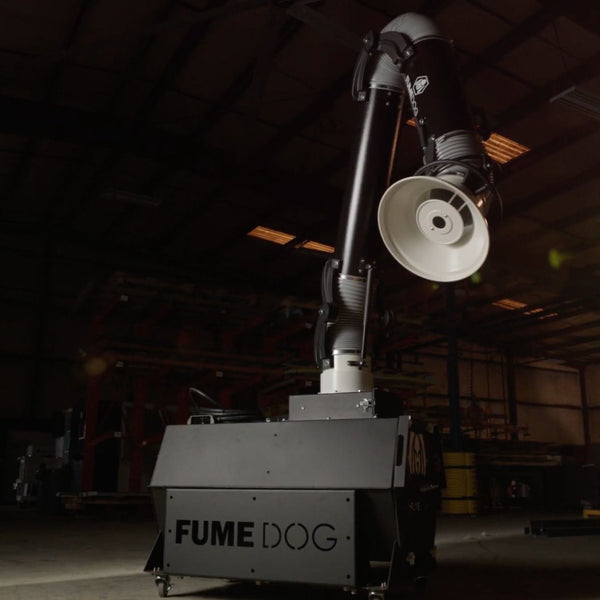
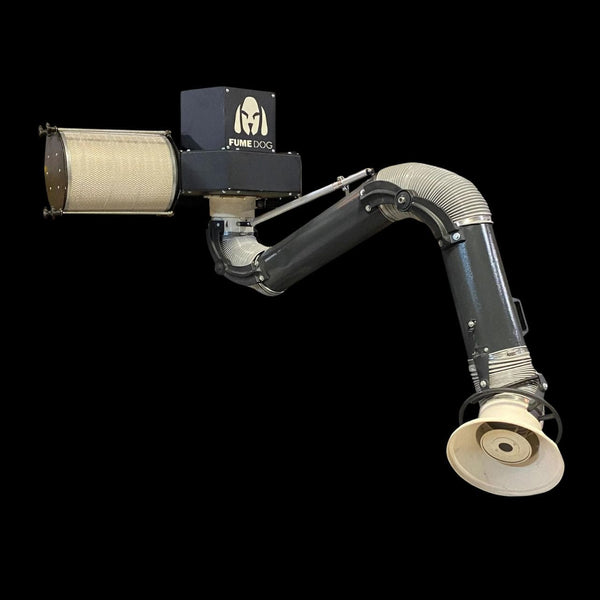
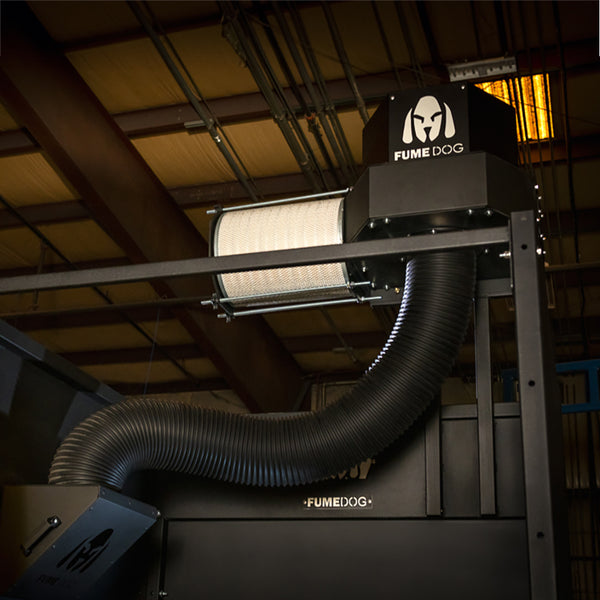
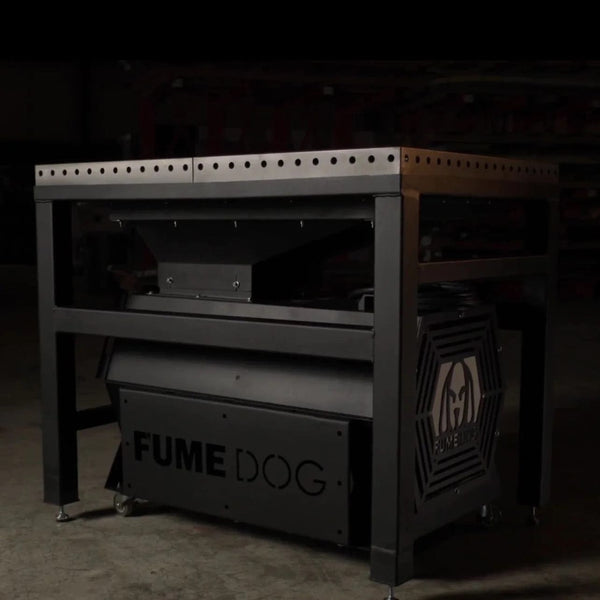
Whether you're leaning toward a ductless setup or need something with serious extraction power, Fume Dog has you covered. Our fume extraction systems are built to keep your workspace clean and your crew breathing easy - no guesswork required. Ready to find the right fit for your shop? Browse the full Fume Dog lineup and see what real fume extraction looks like.

See Our Featured Products
What Are Fume Hoods and Why Do They Matter?
Fume hoods are protective enclosures designed to capture and remove harmful fumes, chemical vapors, and particulates generated during welding, cutting, grinding, and other industrial processes. Whether you're running a welding shop or managing an industrial facility, fume hoods act as the first line of defense between your team and the contaminants floating around in the air.
Without them, workers are left breathing in toxic fumes and harmful substances that can cause serious short-term and long-term health issues. That's not a risk worth taking.
The Role of Fume Hoods in Workplace Safety
Safety isn't just a buzzword - it's the whole point. Fume hoods exist to reduce chemical exposure and protect workers from hazardous chemicals that are released during industrial processes. When fumes go uncaptured, they spread through your facility, putting everyone at risk - not just the person at the work surface.
A solid fume extraction setup does more than just check a compliance box. It keeps your people healthy, your air clean, and your operation running without interruption. If you want to understand how fume extraction systems work on a deeper level, we've got a full breakdown worth reading.
How Ducted Fume Extraction Systems Work
Ducted systems are the old-school approach, and they've stuck around for good reason. A ducted fume hood connects to external ductwork that channels contaminated air out of the building entirely. The air passes through the ductwork, gets pushed through the building's ventilation system, and is expelled outside.
Because ducted systems remove contaminated air completely from the workspace, they're often considered the go-to for handling hazardous materials and high-risk applications. The air doesn't get recirculated - it's gone for good.
External Ductwork and the Building's Ventilation System
Traditional ducted fume hoods rely on a network of ducts and exhaust fans that tie into the building's existing HVAC system. This means installation is a bigger project. You're looking at ductwork running through walls, ceilings, or rooftops, all connected to make sure fumes are vented safely outside.
The upside? Ducted models can handle just about anything you throw at them - harmful chemicals, volatile chemicals, heavy particulate matter - because the contaminated air is removed from the space air completely. The downside? That ductwork isn't free, and it's not exactly easy to relocate once it's in.
When to Choose Traditional Ducted Fume Hoods
Ducted hoods are the right call when you're dealing with highly toxic fumes, large volumes of chemicals, or processes that generate heavy contaminants. If your operation involves working with hazardous chemicals on a regular basis or in high concentrations, ducted systems give you the peace of mind that those fumes are leaving the building entirely.
Ducted units are also the better pick when your facility already has existing infrastructure in place - like an established duct network or a centralized exhaust system. In those cases, tying in a new ducted hood is a relatively straightforward process.
How Ductless Fume Extraction Systems Work
Ductless fume hoods take a completely different approach. Instead of venting air outside, ductless systems pull contaminated air through a series of filters and then push recirculating filtered air back into the workspace. No external ductwork required.
This makes ductless hoods incredibly flexible. They can be set up almost anywhere, moved as your workflow changes, and installed without tearing into your building's structure. If you're looking to choose the right fume extractor system for a space that doesn't have built-in ducting, ductless is often the way to go.

Our Featured Products
Activated Carbon Filters and HEPA Filtration
The magic behind ductless systems is in the filters. Most ductless fume hoods use activated carbon filters to capture chemical fumes, vapors, and gases. Activated carbon is extremely porous, which gives it a massive surface area to adsorb harmful substances as air passes through it.
For particulates and fine dust, high-efficiency particulate air (HEPA) filters step in. HEPA filters are designed to trap 99.97% of particles down to 0.3 microns, making them incredibly effective against particulate matter and other airborne contaminants. Many ductless systems use a combination of both carbon filters and HEPA filters for comprehensive protection. To learn more about how welding filters work, check out our detailed guide.
Recirculating Clean Air Back Into Your Space
Once the air is scrubbed through the filtration stages, ductless units push recirculating clean air back into the room. This is a big deal for energy efficiency because you're not losing heated or cooled air to the outside. Your air conditioning system doesn't have to work overtime to compensate for the conditioned air that a ducted system would normally exhaust out of the building.
The result? Filtered air that's safe to breathe gets returned to your workspace, and your energy bills don't take a hit. That's a win-win.
Key Differences Between Ducted and Ductless Systems
Understanding the key differences between these two systems comes down to a few core areas: installation, cost, maintenance, and performance. Let's break each one down.
Installation and Existing Infrastructure
This is where the gap is most obvious. Ducted systems require significant installation work - external ductwork, exhaust fans, building modifications, and connection to your facility's ventilation network. Installation costs can add up fast, especially in older buildings that weren't designed with fume extraction in mind.
Ductless systems? Practically plug-and-play. No ductwork, no major construction, no headaches. If your facility doesn't have existing infrastructure for a ducted setup, ductless hoods offer several advantages, including dramatically lower installation costs and faster setup times.
Operating Costs and Energy Efficiency
Ducted systems continuously exhaust conditioned air outside your building. That means your HVAC system has to replace that lost air, which drives up energy costs. In climates with extreme temperatures, this can become a significant ongoing expense.
Ductless systems keep the air inside. Since they're recirculating filtered air rather than dumping it outside, your heating and cooling systems don't have to compensate. Over time, this translates to lower operating costs and better energy efficiency - making ductless hoods a cost-effective option for many operations.
Filter Life and Ongoing Maintenance
Here's where ductless systems require a bit more attention. Since they rely on filters to clean the air, those filters have a limited filter life and need to be replaced periodically. The frequency of filter replacement depends on several factors, including the type of chemicals being used, the volume of fumes generated, and how often the system runs.
Ducted systems have less filter-related maintenance since they're venting air outside, but they still need regular inspections of the ductwork, fans, and connections. Neither system is truly "maintenance-free." If you want to stay on top of things, our maintenance guide for fume extraction systems covers what you need to know. And if you're wondering when it's time to swap out your filters, here's why you should replace your fume extractor filters on schedule.
Airflow Requirements and Chemical Exposure
Airflow requirements differ between the two systems. Ducted hoods typically pull a higher volume of air and can handle a wider range of harmful fumes because everything is exhausted outside. This makes them better suited for applications involving highly toxic chemicals or processes that generate large amounts of vapors.
Ductless units work best with low to moderate fume loads. If the chemicals you're working with are within the capabilities of the carbon and HEPA filtration system, ductless hoods provide solid protection. The key is making sure the system's filtration matches the specific contaminants you're dealing with.
Choosing the Right Fume Extraction System for Your Needs
There's no one-size-fits-all answer here. The right solution depends on your specific operation, the substances you're working with, and the layout of your facility.
Factors That Affect Your Decision
When deciding between ducted and ductless systems, consider:
- Type of fumes generated: Are you dealing with chemical fumes from volatile chemicals, or mostly welding fumes and particulates?
- Facility layout: Does your building already have ductwork in place, or would installation require major construction?
- Budget: Are you looking at the total cost of ownership (including operating costs and ongoing maintenance), or just upfront installation costs?
- Flexibility: Do you need a system that can move with your workflow, or is a fixed installation fine?
These several factors will point you toward the system that makes the most sense. If you want a more detailed walkthrough on creating a safe welding environment, we've covered that too.
Why Proper Ventilation Is Non-Negotiable
Whether you go ducted or ductless, proper ventilation is something you simply cannot skip. Harmful fumes don't care whether your system is fancy or basic — if it's not extracting effectively, your team is breathing in harmful substances.
OSHA has clear standards around permissible exposure limits for welding fumes and other airborne hazards. Falling short isn't just a safety issue — it's a legal one. If you're working in tight quarters, understanding why ventilation is important when welding in a confined space is essential reading.
The bottom line: get the right system in place, maintain it properly, and make sure clean air is always flowing where your people are working.

Frequently Asked Questions
Can ductless fume hoods handle volatile organic compounds?
It depends on the specific volatile organic compounds involved and their concentration. Ductless fume hoods equipped with activated carbon filters can handle many VOCs at low to moderate levels. If you're working with highly toxic or reactive VOCs in high volume, a ducted system is generally the safer choice since it removes contaminated air from the building entirely.
Do ductless systems work in environments with extreme heating?
Ductless systems can be affected by extreme heating because high temperatures may reduce the absorption efficiency of carbon filters. When processes generate significant heat alongside fumes, ducted systems tend to perform more reliably since they exhaust air outside rather than relying solely on filtration. If your operation involves extreme heat, evaluate whether your filtration can keep up before committing to a ductless setup.
How does chemical volume affect which system I should choose?
Chemical volume plays a major role in your decision. Ductless fume hoods are best suited for operations that use smaller quantities of chemicals per application. If your facility processes a high chemical volume on a daily basis, a ducted system is typically the better option because it can handle larger loads without the risk of overwhelming the filters.
What chemical groups are best suited for ductless fume hoods?
Ductless fume hoods work well with many common chemical groups including organic solvents, alcohols, and certain acids at low concentrations. The key is matching the correct filter type to the specific chemicals you're using. Highly reactive, corrosive, or unknown chemical groups should always be handled under a ducted system to ensure complete removal from the workspace.
Does evaporation rate matter when choosing a fume extraction system?
Yes, evaporation rate is an important factor. Chemicals with a high evaporation rate release fumes more quickly, which means your extraction system needs to keep up with the volume of vapors being generated. For fast-evaporating substances, a ducted system or a high-capacity ductless unit with the right filtration is recommended to prevent fume buildup at the work surface.
Are ductless fume extractors a good option for high-volume welding operations?
For high-volume welding operations, ductless fume extractors can work well as long as the filtration system is rated for the type and amount of fumes being produced. Portable and wall-mounted ductless extractors are popular in welding shops because they offer flexibility without the need for permanent ductwork. The key is selecting a unit with enough CFM and the right filters to match your specific workload.