


When it comes to welding operations, having the right personal protective equipment isn't just a suggestion—it's absolutely critical for your safety and health. Whether you're performing welding in a professional shop or working on a weekend project, understanding welding ppe requirements can mean the difference between a successful day at work and a trip to the emergency room.
The welding process creates numerous hazards, from intense light and ultraviolet radiation to welding fumes and molten metal. Each of these dangers requires specific protective equipment to keep you safe. Let's dive into everything you need to know about staying protected while you work.
TLDR: Key Welding PPE Requirements
• Complete eye protection: Proper welding helmet with correct filter shade, plus safety glasses with side shields underneath
• Respiratory protection: Appropriate respiratory protection based on your welding process and work environment
• Protective clothing: Flame resistant materials covering all exposed skin, with leather boots for foot protection
• Process-specific considerations: Different welding processes require adapted PPE strategies for maximum safety
Stay Protected with Professional Fume Extraction
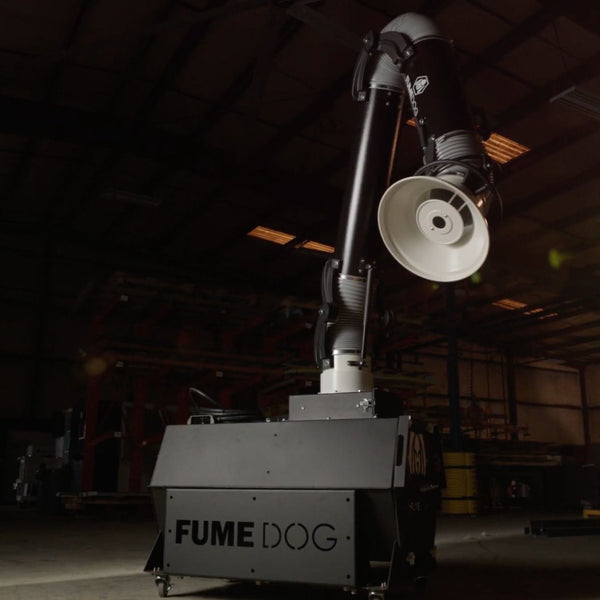
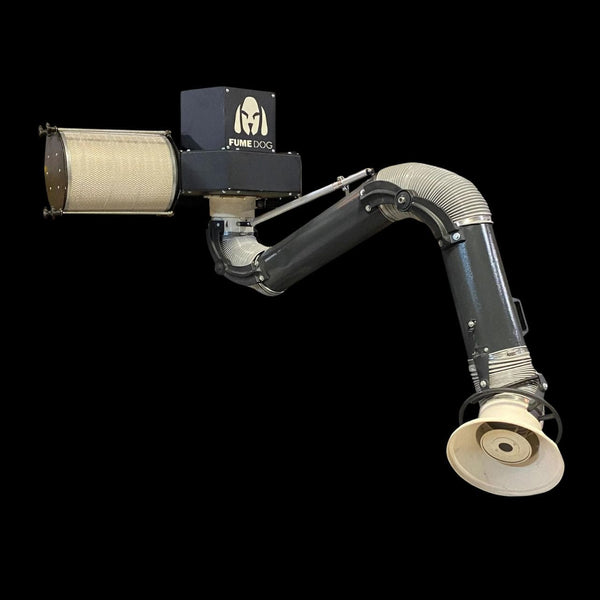
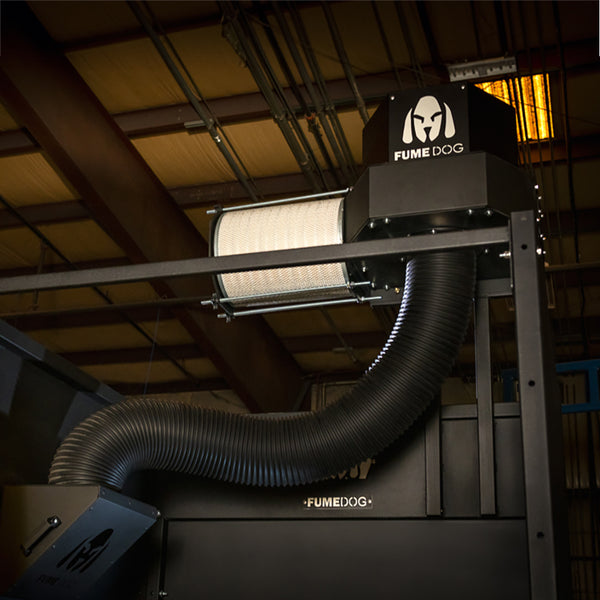
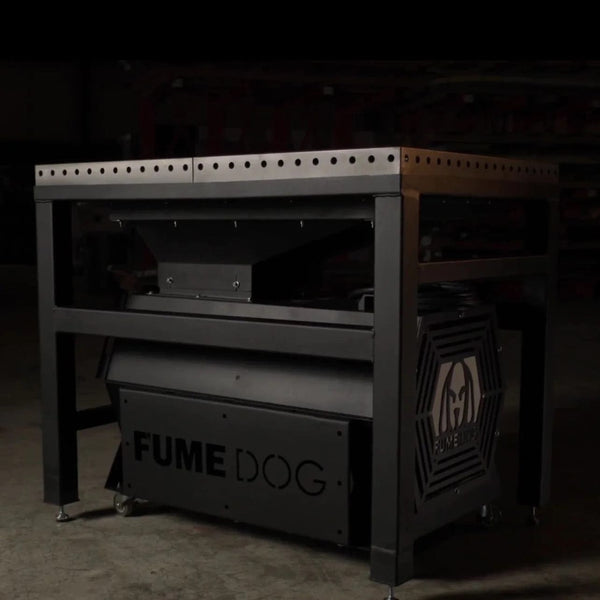
While personal protective equipment is your first line of defense, controlling welding fumes at the source provides an additional layer of protection for your respiratory health. Professional fume extraction systems work alongside your PPE to create the safest possible welding environment.
Explore our complete line of portable welding fume extractors designed to capture harmful fumes right at the point of generation, giving you cleaner air to breathe while you work.
Understanding Personal Protective Equipment for Welding Operations
Why Protective Equipment Matters in Welding Work
Every time you strike an arc, you're exposing yourself to multiple hazards simultaneously. The welding arc produces intense light that can damage your eyes in seconds, while welding fumes can cause serious respiratory issues over time. Hot metal and molten metal can cause severe burns, and flying particles can injure unprotected skin.
The reality is that welding creates one of the most hazardous work environments you'll encounter. Without proper protective clothing and equipment, you're gambling with your long-term health. Professional welders who ignore safety protocols often face consequences that could have been easily prevented with the right gear.
OSHA Standards and Occupational Safety Guidelines
OSHA has established comprehensive standards for welding safety, and these regulations aren't suggestions—they're requirements that employers must follow. The occupational safety standards cover everything from appropriate respiratory protection to specific requirements for confined spaces work.
Safety data sheets for welding materials outline the specific hazards you'll face with different processes and materials. These documents should be your first stop when planning your protective equipment strategy. Understanding these requirements helps ensure you're not just complying with regulations, but actually protecting yourself from real dangers.
See Our Featured Products
Essential Eye and Face Protection for Arc Welding

Welding Helmet Requirements and Filter Shade Selection
Your welding helmet is your first line of defense against the intense light and radiation produced during welding. The filter shade you choose depends on the specific welding process and amperage you're using. Too light, and you risk eye damage; too dark, and you won't be able to see your work properly.
Modern welding helmets offer auto-darkening features that adjust automatically, but understanding manual filter lenses is still important. The right filter shade protects against both visible light and uv radiation, which can cause serious eye injuries even with brief exposure.
Safety Glasses and Side Shields for Complete Eye Protection
Even with a welding helmet, you need safety glasses underneath for complete eye protection. Flying particles and hot slag can find their way around your helmet, especially during grinding or cleanup operations. Side shields are essential because they protect against particles approaching from angles your primary lenses might miss.
Some welders wonder if they can wear contact lenses while welding. While it's generally safe with proper eye protection, the heat and particles in the air make safety glasses even more critical when you wear contact lenses during welding work.
UV Radiation and Ultraviolet Radiation Protection
The welding arc produces harmful ultraviolet radiation that can cause "welder's flash"—essentially a sunburn on your corneas. This radiation doesn't just affect your eyes; it can also damage exposed skin, causing burns similar to severe sunburn.
Quality face protection extends beyond just your eyes. Your entire face needs protection from both direct radiation and reflected rays that bounce off nearby surfaces. This is why professional welders invest in comprehensive face protection systems rather than just basic eye protection.
Respiratory Protection Against Welding Fumes
Appropriate Respiratory Protection for Different Welding Processes
Not all welding processes create the same types or amounts of fumes. The appropriate respiratory protection varies depending on what you're welding, the materials involved, and your work environment. Some situations require simple dust masks, while others demand powered air-purifying respirators or supplied-air systems.
When you're improving welding safety protocols, respiratory protection should be a top priority. Many welders focus on eye and burn protection while overlooking the invisible threat of welding fumes.
Understanding Welding Fume Hazards
Welding fumes contain a complex mixture of metallic oxides, fluorides, and other compounds that can cause both immediate and long-term health effects. To learn more about what compounds are found in common welding fumes, it's important to understand that different base metals and consumables create different hazards.
Prolonged exposure to these fumes can lead to serious respiratory conditions, and some compounds are known carcinogens. This is why avoiding breathing these fumes isn't just good practice—it's essential for your long-term health. Proper respiratory protection, combined with adequate ventilation, helps prevent metal fume fever and other serious health issues.
Protective Clothing and Flame Resistant Materials
Essential Wear Clothing Guidelines
Your clothing is your shield against sparks, spatter, and radiant heat. Flame resistant materials are non-negotiable for welding work. Cotton clothing can work for light-duty welding, but synthetic materials can melt and stick to your skin, causing severe burns.
Avoid clothing with frayed edges or loose-fitting garments that can catch sparks. Your protective clothing should cover all exposed skin, with no gaps between gloves, sleeves, and other protective equipment. Professional welders know that cheap clothing often becomes expensive medical bills.
Hot Metal and Molten Metal Protection
Welding creates hot metal that remains dangerous long after you've finished welding. Molten metal can splatter unexpectedly, and even small droplets can cause serious burns through inadequate clothing. Your protective clothing needs to handle both direct contact and radiant heat from the welding process.
The key is understanding that protection isn't just about the welding arc itself—it's about all the hazards created during and after welding operations. Hot slag, heated workpieces, and even tools can cause burns hours after you've finished welding.
Hand, Foot Protection and Additional Safety Equipment
Leather Boots and Foot Protection Standards
Your feet face unique hazards in welding environments. Sparks fall downward, hot metal drops to the floor, and heavy materials can fall on your feet. Leather boots with metatarsal guards provide protection against falling objects while resisting sparks and heat.
High top boots offer better protection against sparks and debris that might otherwise get inside your footwear. The right foot protection also includes consideration of electrical hazards, especially when working with professional welding equipment in industrial settings.
Protection Against Electric Shock and Falling Objects
Electric shock is a serious hazard in welding, especially in wet conditions or confined spaces. Your protective equipment needs to provide insulation against electrical hazards while maintaining dexterity for precise work. Dry gloves and proper footwear are essential components of electrical safety.
Hand shields and other protective equipment also need to guard against falling objects and debris. Welding environments often involve overhead work, cranes, and material handling that create additional hazards beyond the welding process itself.
Welding Process-Specific PPE Considerations

Different Requirements for Various Welding Equipment Types
Different welding processes create different hazards and require adapted protection strategies. MIG welding processes typically produce more spatter than TIG welding, requiring more robust protective clothing. Stick welding creates different fume characteristics that might require enhanced respiratory protection.
Understanding your specific welding process helps you select the most appropriate protective equipment. What works for light-duty hobby welding might be completely inadequate for industrial applications or specialized materials.
The manufacturer's instructions for your welding equipment should include specific PPE recommendations. Following these guidelines isn't just about warranty compliance—it's about ensuring you have adequate protection for the specific hazards your equipment creates.
Frequently Asked Questions
What type of respiratory protection is required for welding in confined spaces?
Confined spaces welding typically requires supplied-air respirators or powered air-purifying systems, not just standard respirators. The limited ventilation in confined spaces makes oxygen deficiency and fume accumulation serious concerns that standard respiratory protection can't address.
How do I perform a proper hazard assessment for my welding work?
A hazard assessment should evaluate all potential risks in your work environment, including base materials, consumables, ventilation, space constraints, and duration of exposure. This assessment determines your specific protective equipment needs beyond basic requirements.
What are the safety and health administration requirements for filter lenses?
Filter lenses must meet ANSI standards for optical clarity and protection levels. The specific shade requirements depend on your welding process and amperage, with darker shades required for higher-amperage operations to protect against radiation exposure.
How do I prevent sparks and flying particles from igniting combustible materials?
Remove combustible materials from the welding area when possible, use welding screens or curtains to contain sparks, and have fire extinguishing equipment readily available. Also, inspect the area after welding to ensure no smoldering materials remain.
What should I know about ir radiation exposure from welding?
IR radiation (infrared) from welding can cause cataracts and skin burns with prolonged exposure. Proper filter lenses and protective clothing help minimize ir radiation exposure, especially important for professional welders with daily exposure.
Why do some welders choose not to wear contact lenses while welding?
While contact lenses can be worn safely with proper eye protection, some welders avoid them due to concerns about heat, fumes, and particles in the welding environment. The decision often depends on individual comfort and specific work conditions.