


Welding different types of metal requires understanding unique material properties, selecting appropriate welding processes, and implementing proper safety measures. Each metal presents distinct challenges, from aluminum's high thermal conductivity to stainless steel's corrosion resistance requirements. This comprehensive guide explores the essential techniques and considerations for successfully welding various metals in your projects.
Key Takeaways
• Different metals require specific welding processes - understanding thermal conductivity, melting points, and unique properties ensures successful welds across various materials
• Proper safety measures are essential - welding different metals produces varying fume compositions that require appropriate ventilation and protective equipment
• Filler metal selection matters - matching chemical compatibility between base metals and filler materials prevents long-term problems like galvanic corrosion
• Process selection impacts results - choosing between MIG, TIG, stick, or plasma welding depends on material type, thickness, and application requirements
Get Professional Fume Extraction for Your Metal Welding Projects
Welding different types of metal creates various fumes and safety challenges that require professional-grade ventilation solutions. Whether you're working with stainless steel, aluminum alloys, or specialized copper materials, proper fume extraction protects your health and ensures compliance with safety regulations.
Explore Fume Dog's complete range of welding fume extraction systems designed specifically for metalworking professionals who demand reliable performance and superior protection.
Understanding Metal Properties and Welding Challenges
When approaching any welding project, understanding the fundamental properties of your base metal determines your success. Different metals respond uniquely to heat input, requiring specific welding methods to achieve strong bonds without compromising material integrity.
Thermal Conductivity and Heat Input Requirements
Thermal conductivity plays a crucial role in determining the appropriate heat input for your welding process. Metals like aluminum and copper alloys have excellent thermal conductivity, meaning heat dissipates quickly from the weld zone. This characteristic requires higher heat input to maintain adequate penetration and prevent incomplete fusion.
Mild steel, conversely, has lower thermal conductivity, allowing for more controlled heat application. Understanding these differences helps you adjust your welding parameters appropriately, preventing issues like burn through on thin sections or insufficient penetration on thick materials.
Melting Point Considerations for Various Metals
Each metal's melting point directly impacts your choice of welding technique and filler material. Pure aluminum melts at approximately 1,220°F, while mild steel requires temperatures around 2,500°F. These variations mean your welding approach must adapt to prevent overheating sensitive materials while ensuring proper fusion on high melting point metals.
High temperatures generated during welding create potentially harmful fumes, making proper ventilation essential. Learn about the toxic nature of welding fumes and why protecting yourself should be a priority in every project.
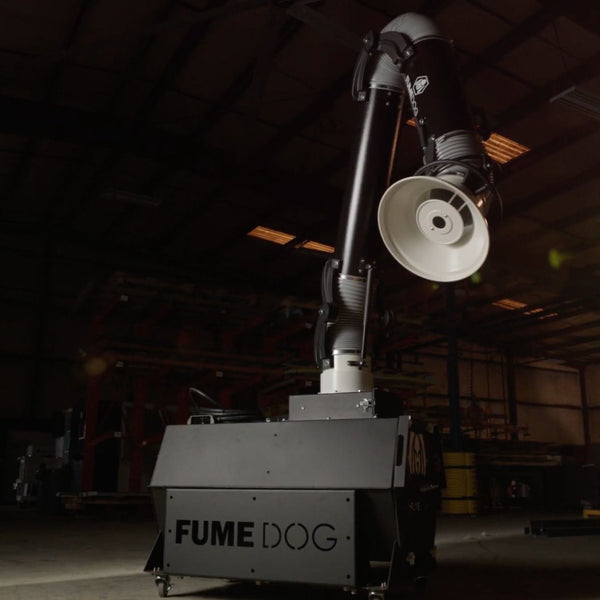
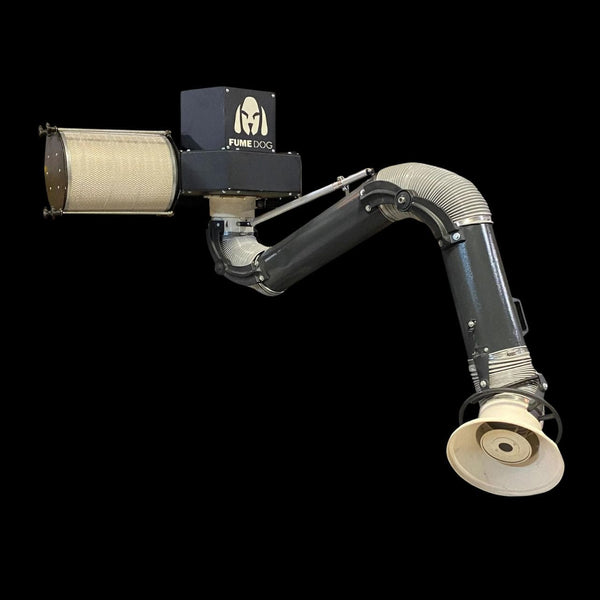
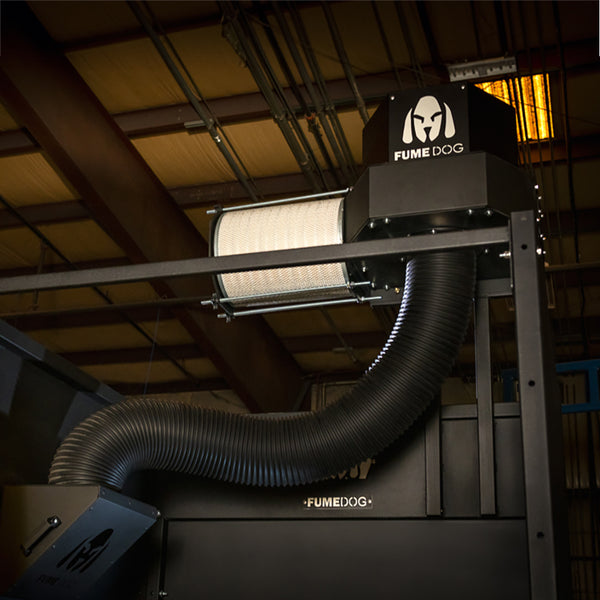
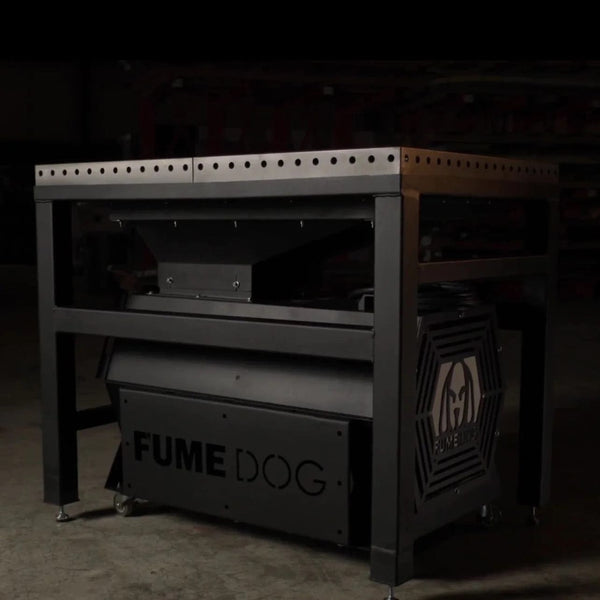
See Our Featured Products
Essential Welding Processes for Different Metal Types

Arc welding encompasses several specific techniques, each suited for particular applications and metal types. Understanding when to use gas metal arc welding versus shielded metal arc welding can make the difference between a successful project and costly rework.
MIG Welding Applications and Advantages
Gas metal arc welding, commonly known as MIG welding, uses a continuous wire electrode and metal inert gas shielding. This process excels when working with mild steel, stainless steel, and aluminum alloys. The automated wire feed makes MIG welding ideal for production work and longer welds where consistency matters.
MIG welding's versatility makes it perfect for various alloys and thicknesses. Discover more about what MIG welding is and why it's become the go-to choice for many fabricators.
TIG Welding for Precision Work
Gas tungsten arc welding, better known as TIG welding, provides exceptional control over heat input and filler material addition. This tungsten inert gas process creates superior weld quality on thin materials and exotic alloys. TIG welding excels when working with stainless steel alloys, aluminum bronze, and other materials requiring precise control.
The process uses an inert gas shield to protect the tungsten electrode and weld puddle from atmospheric contamination. Learn about TIG welding techniques and discover why professionals choose this method for critical applications.
Stick Welding for Heavy-Duty Applications
Shielded metal arc welding, commonly called stick welding, remains the most portable and versatile welding process. This method works exceptionally well on carbon steel, low carbon steel, and cast iron applications. Stick welding's ability to function in windy conditions and on slightly contaminated surfaces makes it invaluable for field work and repair applications.
The process uses a flux-coated electrode that provides its own shielding, eliminating the need for external gas protection. This simplicity makes stick welding ideal for construction and maintenance work where portability trumps precision.
Plasma Arc Welding for Specialized Projects
Plasma arc welding offers extreme precision and control, making it suitable for thin materials and specialized applications. This process creates a highly concentrated arc that produces minimal heat-affected zones, perfect for working with heat exchangers and precision components requiring exceptional strength.
Welding Steel: From Mild Steel to Stainless Steel
Steel welding encompasses everything from basic carbon steel to complex stainless steel alloys. Each type requires specific considerations to achieve optimal results while maintaining the material's intended properties.
Carbon Steel Welding Techniques
Carbon steel, including low carbon steel varieties, represents the most commonly welded material in fabrication. These steels respond well to most welding processes, though the carbon content affects heat treatment requirements and potential for cracking. Proper preheating and post-weld heat treatment become critical as carbon content increases.
When welding carbon steel, selecting appropriate filler metal ensures chemical compatibility and mechanical properties match the base metal. Higher carbon steels may require specialized electrodes to prevent cracking and maintain strength.
Stainless Steel and Corrosion Resistance
Stainless steel presents unique challenges due to its chromium content and corrosion resistance requirements. These materials require careful heat management to prevent carbide precipitation, which compromises corrosion resistance. Using proper welding techniques maintains the stainless steel's protective properties while achieving strong, reliable welds.
Different stainless steel grades require specific filler materials and techniques. Austenitic stainless steels weld differently than martensitic grades, requiring welders to understand metallurgy basics for successful results.
Working with Non-Ferrous Metals
Non-ferrous metals like aluminum and copper present unique challenges that require specialized knowledge and equipment. Understanding these materials' behavior during welding prevents common problems and ensures successful project completion.
Aluminum Alloys and Their Unique Challenges
Aluminum alloys require special attention due to their high thermal conductivity and tendency to form oxide layers. These materials demand clean preparation, appropriate shielding gas, and precise heat control. The rapid heat dissipation means welding aluminum often requires higher amperage settings than comparable steel thicknesses.
Different aluminum alloys behave differently during welding. Some are readily weldable, while others require specific filler materials or techniques to prevent cracking. Understanding these distinctions prevents project failures and ensures structural integrity.
Copper Alloys in Industrial Applications
Copper alloys, including copper nickel copper silicon and copper tin copper zinc combinations, find extensive use in industrial applications requiring excellent thermal conductivity and corrosion resistance. These materials often serve in marine environments and food processing applications where their unique properties provide superior performance.
Welding copper alloys requires understanding their specific compositions. Silicon bronze and aluminum bronze each require different approaches, while nickel silver presents its own unique considerations. Proper technique ensures these specialized materials maintain their intended properties.
Welding Cast Iron Successfully
Welding cast iron presents significant challenges due to its high carbon content and brittleness. This material requires careful preheating, specific electrode selection, and controlled cooling to prevent cracking. Many applications benefit from brazing techniques rather than traditional fusion welding.
Cast iron welding often involves repair work on engine blocks and other critical components. Success requires understanding the material's limitations and selecting appropriate repair techniques that restore functionality without compromising structural integrity.
Choosing the Right Filler Metal and Base Metal Combinations

Proper filler material selection ensures chemical compatibility between the welded joint and base materials. Mismatched filler metals can create galvanic corrosion, reduced strength, or other long-term problems that compromise weld integrity.
Understanding how different elements interact helps predict weld performance. Some combinations create strong bonds, while others may result in brittle intermetallic compounds that fail under stress. Consulting welding procedure specifications ensures appropriate material combinations for your specific application.
Safety Considerations When Welding Different Metals
Different metals produce various fumes and hazards during welding. Some generate more toxic emissions than others, making proper ventilation and personal protective equipment essential. Understanding these risks helps create safer working environments and prevents long-term health issues.
Welding fumes contain numerous compounds that pose serious health risks. Understanding metal fume fever and how to prevent it protects your health and ensures compliance with safety regulations.
Creating comprehensive safety protocols protects welders from both immediate and long-term hazards. Implementing simple tips for improving welding safety creates better working conditions and reduces accident risks.
Proper fume extraction becomes critical when working with various metals and welding techniques. Learn how fume extraction systems work to understand why professional-grade ventilation is essential for any serious welding operation.
Frequently Asked Questions
What are the main types of welding processes for different metals?
The primary welding processes include metal arc welding techniques like gas metal arc welding (MIG), gas tungsten arc welding (TIG), and shielded metal arc welding (stick). Each process suits specific metal types and applications, with MIG welding offering versatility for most common metals, while TIG welding provides precision for specialized alloys.
How does metal inert gas welding differ from tungsten inert gas welding?
Metal inert gas (MIG) welding uses a consumable wire electrode, making it faster for production work, while tungsten inert gas (TIG) welding uses a non-consumable tungsten electrode for greater precision. Both processes use inert gas shielding but serve different purposes in metalworking applications.
What special considerations apply when welding stainless steel alloys?
Stainless steel alloys require careful heat management to preserve their corrosion resistance properties. These materials need specific filler materials, controlled heat input, and proper shielding to prevent carbide precipitation that compromises their protective chromium oxide layer.
How do copper nickel copper silicon and copper tin copper zinc alloys behave during welding?
These specialized copper alloys require understanding their specific compositions for successful welding. Copper nickel copper silicon offers good weldability for marine applications, while copper tin copper zinc combinations need careful technique selection to maintain their intended properties in food processing and other specialized uses.
What makes welding cast iron particularly challenging?
Welding cast iron presents difficulties due to its high carbon content, brittleness, and tendency toward thermal shock. Success requires controlled preheating, specific electrode selection, and gradual cooling to prevent cracking in applications like engine blocks and industrial machinery repairs.
How do various alloys affect filler material selection?
Various alloys require compatible filler materials to ensure proper metallurgical bonding and prevent galvanic corrosion. Matching chemical compositions between base metals and filler material creates strong, durable welded joints while maintaining the intended properties of other materials and other elements in the final weld.