

If you're running welding operations and breathing in fumes like it's no big deal, we need to talk. Choosing between a portable and a wall-mounted fume extraction system isn't just a matter of preference. It's a decision that directly affects worker safety, your shop's efficiency, and whether or not you're staying in compliance with air quality standards. Both styles of fume extractors get the job done, but they do it in very different ways, and the right pick depends entirely on how your workspace is set up.
Let's break it all down so you can stop guessing and start breathing clean air.
TLDR
- Portable fume extractors are best for shops that need flexibility, mobility, and zero installation. They roll where you need them and work great for light to medium-duty welding, grinding, and plasma cutting.
- Wall-mounted fume extractors are built for fixed workstations, save floor space, and deliver consistent fume capture for heavy-duty, multi-shift operations.
- The right choice depends on your workflow. Fixed stations favor wall-mounted. Mobile or changing work favors portable. Many shops benefit from using both.
- No matter which type you choose, proper arm positioning and regular filter maintenance are what keep your fume extraction system performing at its best.
Ready to Clear the Air?
Whether you need a portable unit you can roll across the shop or a wall-mounted system locked in at your busiest station, Fume Dog has you covered. Stop breathing in what you shouldn't be and start putting the right fume extraction system to work.
Browse the full lineup of Fume Dog products and find the right fit for your shop today.

See Our Featured Products
Why Choosing the Right Fume Extractor Matters
Welding produces a cocktail of hazardous fumes, toxic substances, and fine particulates that nobody should be inhaling on a daily basis. From smoke and gases released during plasma cutting and grinding to the contaminants generated by soldering and other processes, these airborne particles create real health hazards for welders and everyone nearby.
The risk isn't hypothetical. Long-term exposure to welding fume has been linked to respiratory illness, neurological issues, and worse. If you're interested in learning more, check out this post on reducing common health hazards of welding fumes.
A fume extraction system isn't a luxury. It's the bare minimum for keeping your work area safe. The real question is which type of system matches your specific application.
The Real Cost of Ignoring Welding Fume Exposure
Skipping fume extraction doesn't save money. It costs you. Contaminated air leads to sick workers, missed shifts, and potential fines from OSHA or local regulators. Compliance isn't optional, and the health of your team shouldn't be either. Investing in fume extractors now is a fraction of the cost compared to dealing with the fallout of long-term exposure to harmful fumes later.
For a deeper look at how exposure limits work, take a look at our article on welding fume exposure limits.
What Is a Portable Welding Fume Extractor?
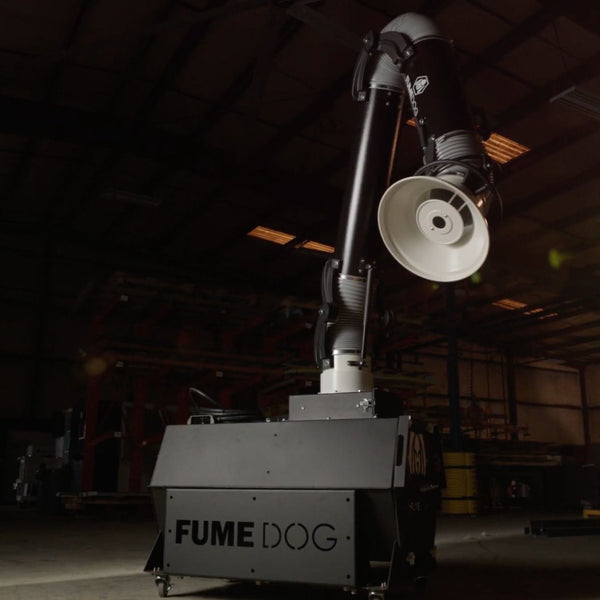
A portable welding fume extractor is a self-contained unit on wheels, typically equipped with an extraction arm and a built-in filtration system. It draws in contaminated air right at the source, runs it through filters to capture dust, particles, and fumes, and then recirculates clean air back into the environment.
The beauty of a portable unit is that it can be moved easily from one station to the next, which makes it a go-to for shops where welding applications change throughout the day. Need it on the far side of the shop for a quick grinding job? Roll it over. Done for the day? Tuck it in a corner.
Key Features and Benefits of Portable Units
- Mobility: Wheels let you reposition the unit anywhere in your workspace with zero hassle.
- No installation required: Plug it in and go. No drilling into walls, no permanent commitment.
- Flexible usage: Great for shops with changing layouts or multiple welders sharing a single unit.
- Self-contained filtration: Everything you need is built into one compact unit, filters and all.
- Access to tight spots: The arm lets you position the hood close to the weld for precise positioning of suction right at the source.
If you want to see the full range of options, browse our portable welding fume extractors.
Best Use Cases for Portable Fume Extractors
Portable fume extractors shine in environments where flexibility is crucial. If your welders move between stations, work on different projects throughout the day, or if your shop handles a mix of welding, grinding, and plasma work, a portable unit gives you the freedom to keep up. They're also a solid pick for smaller shops, training facilities, and situations where you can't commit to permanent installation. They're suitable for light to medium-duty welding and are a great entry point for shops that are just getting serious about removing harmful fumes from the air.
What Are Wall-Mounted Fume Extractors?
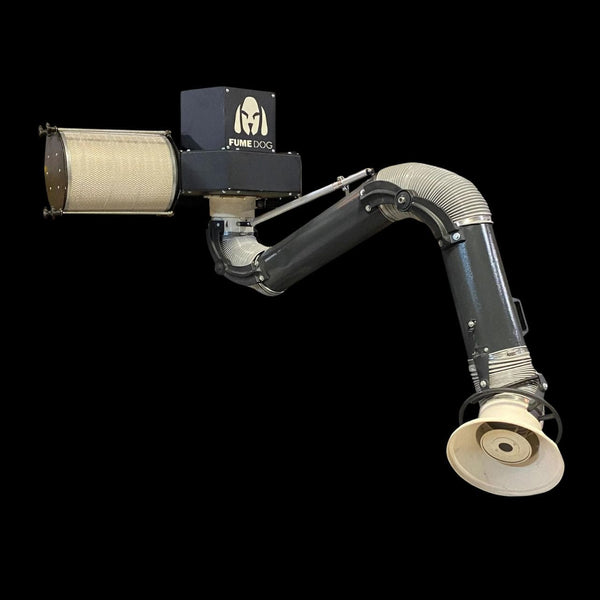
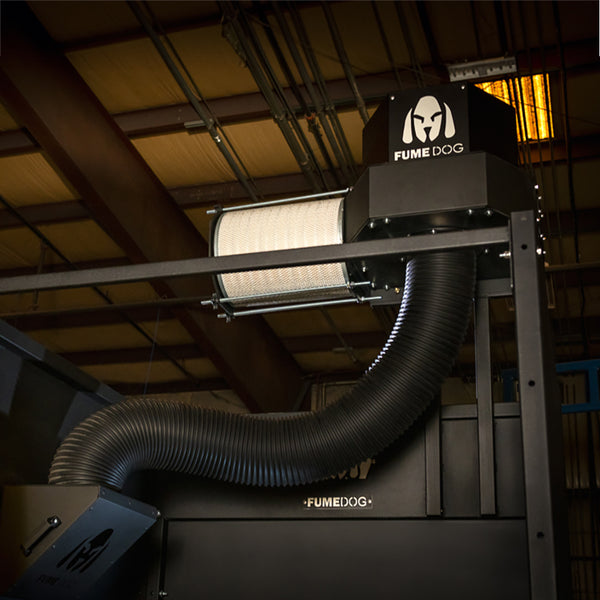
Wall-mounted fume extractors are exactly what they sound like: units that are mounted directly to a wall (or sometimes a column or booth) with one or two extraction arms extending out to capture fumes at the source. These systems are designed for fixed workstations where welding happens in the same spot, shift after shift.
Because they're up off the floor, wall-mount systems free up valuable space in your shop, which can be a game-changer if you're working in a tighter environment. The arm stays in position once you set it, so you don't have to keep fiddling with it between welds.
Key Features and Benefits of Wall Mount Systems
- Floor space savings: Mounted on the wall means zero floor footprint. More room for your welders and equipment.
- Consistent performance: Since the unit stays in one place, there's no risk of someone forgetting to move it into position.
- Heavy-duty applications: Wall-mounted systems are generally built to handle higher volumes of fumes for extended periods, making them highly effective in production settings.
- Arm flexibility: The extraction arm can typically be adjusted across several types of positions and angles to dial in airflow right where the smoke is thickest.
- Filtration or exhaust options: Some units filter and recirculate air back into the workspace, while others are equipped to duct contaminated air outside or to a larger dust collector system.
Check out our full lineup of wall-mounted welding fume extractors.

Best Use Cases for Wall-Mounted Units
Wall-mounted fume extractors are the go-to for dedicated welding stations, production lines, and any workspace where the same spot welding or fabrication work happens day after day. They're a natural fit for welding booths where the workstation doesn't change, and they keep the floor clear for workers to move around safely. If your shop runs multiple shifts or handles heavy-duty welding, these are built for exactly that kind of demand.
For tips on keeping your wall-mounted system running strong, read our maintenance guide for fume extraction systems.
Portable vs Wall Mounted Fume Extractor: A Side-by-Side Breakdown
So you know what each type does. Now let's put them head-to-head across the categories that actually matter when you're making a purchasing decision.
Mobility and Flexibility
This one's straightforward. Portable units win on mobility, hands down. They roll wherever you need them, making them ideal for shops where work moves around or where several types of projects are happening at once. Wall-mounted systems sacrifice mobility for consistency. Once they're installed, they stay put. That's a strength if your workflow is predictable, but a limitation if your workspace layout shifts often.
Floor Space and Installation
Wall-mounted systems are the clear winner when space is tight. By going up on the wall, they keep the floor clear for welders, equipment, and foot traffic. Installation does require some planning and mounting hardware, but once they're up, they're out of the way.
Portable units require zero installation but do take up floor space. In a large shop, that's rarely an issue. In a smaller workspace, it can get cramped.
Filtration and Airflow Performance
Both portable and wall-mounted fume extractors use similar filtration technology to capture particulates and contaminants. The real difference comes down to the size of the motor and the volume of airflow the unit can push. Wall-mounted systems often have the edge in raw efficiency for longer, heavier welding sessions, while portable units deliver plenty of performance for light to medium-duty work. Either way, the proper position of the extraction arm relative to the fume source is what makes or breaks your results.
If you want to understand more about how the filtration process works, check out how fume extraction systems work.
Maintenance and Long-Term Costs
Maintenance on both types of systems primarily comes down to filter replacement. Portable units may see slightly more wear and tear from being rolled around the shop, but a well-built unit handles that without breaking a sweat. Wall-mounted systems, since they stay in place, tend to avoid physical damage and are easy to maintain over time. In either case, keeping up with filter changes is what keeps your fume extraction running at peak performance. Don't skip it.
Learn more about fume extraction arms and how they factor into your overall system performance.
Other Fume Extraction Options Worth Considering
Portable and wall-mounted units cover the majority of shops, but they're not the only game in town. Depending on your setup, there are a couple of other options worth knowing about.
Downdraft Tables
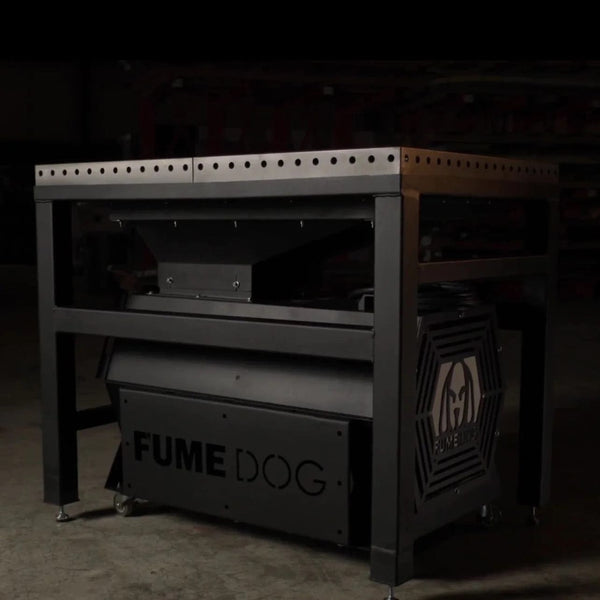
Downdraft tables pull fumes and dust downward through the work surface, which is a different approach than arm-based extraction. They're excellent for grinding, plasma cutting, and light fabrication work where the welder needs a flat surface and clear sightlines. If you're curious whether one could fit your setup, read our post on what a downdraft table is.
Welding Booths
A welding booth combines a contained workspace with built-in fume extraction, giving you both safety and organization in one package. They're popular in schools, training programs, and production shops that run multiple stations. If you're considering going this route, find out what a welding booth is and whether you need one.

How to Pick the Right Fume Extraction System for Your Workspace
Choosing between a portable and a wall-mounted fume extractor comes down to a few practical questions:
- Is your workstation fixed or does it move? Fixed stations favor wall-mounted. Mobile work favors portable.
- How much floor space do you have? Limited space? Wall mount keeps things clean. Plenty of room? Portable gives you flexibility.
- What kind of welding are you doing? Light to medium-duty processes can run on a portable unit. Heavier, multi-shift operations may benefit from the staying power of a wall-mounted system.
- Who's handling maintenance? Both systems need filter upkeep. Make sure someone owns that responsibility so performance stays consistent.
- Do you need one unit or several? Some shops find the implementation of both types, portable for overflow and wall-mounted at primary stations, gives them the best of both worlds.
The best approach is to match the equipment to how your people actually work. If you want a more detailed walkthrough, we've got a full guide on how to choose the right fume extractor system.
Frequently Asked Questions
Can a portable fume extractor handle industrial applications?
Yes, but it depends on the scale. For smaller shops and single-station setups, a portable unit is more than capable of handling standard welding, soldering, and light grinding tasks. For larger-scale industrial applications that involve multiple welders running simultaneously across several stations, you may want to pair portable units with wall-mounted systems or consider a centralized fume extraction solution to make sure you're covering the full workspace.
How do I know if my fume extractor is removing fumes effectively?
The easiest way to tell is by visibility. If you can still see smoke lingering around the weld zone, your hood or arm probably isn't close enough to the source. Proper positioning is everything. The extraction arm should be placed within a few inches of where the fumes are generated. If the unit has adequate airflow and the arm is in the right spot, you should see fumes being pulled away almost immediately. If something seems off, address any issues promptly before air quality suffers.
Are wall-mounted fume extractors hard to install?
Not really. Most wall-mounted units come with mounting brackets and straightforward instructions. Filtered models are especially simple since they're self-contained. You mount the unit to the wall, attach the arm, plug it into a power source, and you're up and running. Ducted models that exhaust air outside or connect to a larger dust collector system require a bit more planning, but the installation process is still manageable for most shops. If your facility uses a solvent or handles chemical processes, make sure you factor ventilation requirements into your setup.
What's the difference between a fume extractor and a dust collector?
A fume extractor is designed specifically for capturing welding fume, smoke, gases, and fine particulates at the source using an extraction arm or hood. A dust collector, on the other hand, is typically a larger system designed to capture heavier dust and debris generated from grinding, woodworking, or other industrial processes. There's some overlap, but fume extractors are purpose-built for removing hazardous airborne contaminants that are too fine for most standard dust collection systems to catch effectively.
Can I use the same fume extractor for welding and plasma cutting?
In most cases, yes. Both welding and plasma cutting produce harmful fumes and particles that need to be captured. A quality fume extractor with proper filtration can handle the output from either process. That said, plasma tends to produce a higher volume of smoke and particulates, so make sure your unit has sufficient airflow and that the filters are rated for the job. Keeping the extraction arm in the right position relative to the arc or cut is crucial for getting the best capture rate, regardless of which process you're running.
Do I need a fume extractor if I already have a welding booth with ventilation?
A welding booth with built-in ventilation is a great start, but it may not be enough on its own depending on the intensity and duration of your welding. Booths help contain fumes within a smaller area, which is a big win for the rest of the shop's environment. Pairing a booth with a dedicated fume extractor, whether portable or wall-mounted, gives you source capture right at the weld plus the booth's ambient light and containment benefits. This combination is one of the most effective ways to protect workers and maintain clean air throughout an entire facility.