
If you run a welding shop or manage a facility where welders are working every day, you've probably asked yourself: What's the best way to get rid of weld fumes? The answer almost always comes down to two capture methods: source capture and ambient capture. Both have a job to do, but they do it very differently, and picking the wrong one (or skipping fume extraction altogether) can put your workers at risk and land you on the wrong side of air quality regulations.
Let's break down how each system works, where each one makes sense, and how to choose the right setup for your environment.
TLDR
- Source capture grabs weld fumes right at the arc before they reach the welder's breathing zone, making it the preferred method for occupational safety compliance and direct worker protection.
- Ambient capture cleans the general air in the facility but doesn't prevent initial exposure; it works best as a supplement to source capture, not a replacement.
- Your choice depends on your shop layout, the materials you weld, and your fume generation levels. Fixed stations favor source capture; large or frequently changing layouts may benefit from adding ambient filtration.
- The smartest shops use both. Source capture does the heavy lifting while ambient systems catch whatever escapes, keeping the entire environment cleaner for everyone.
Ready to Protect Your Shop?
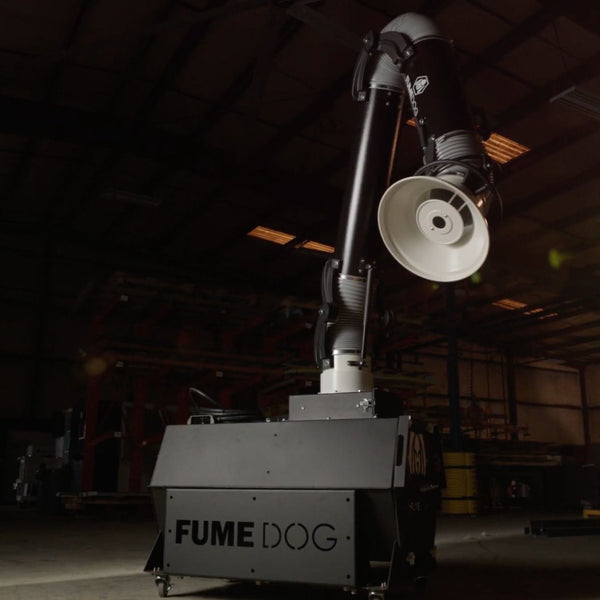
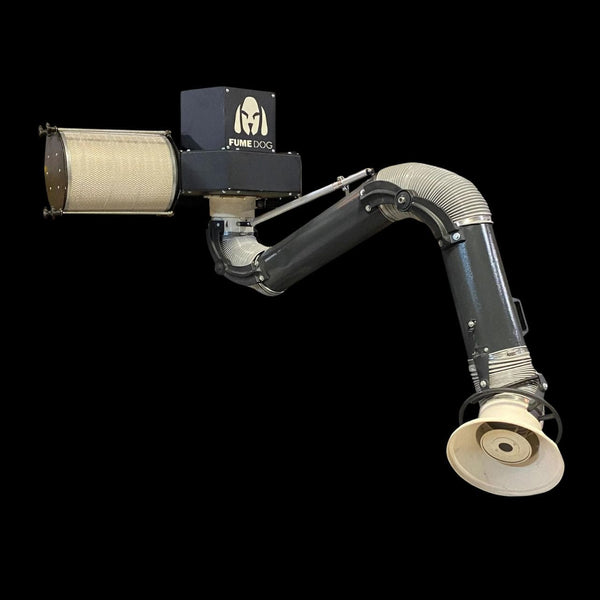
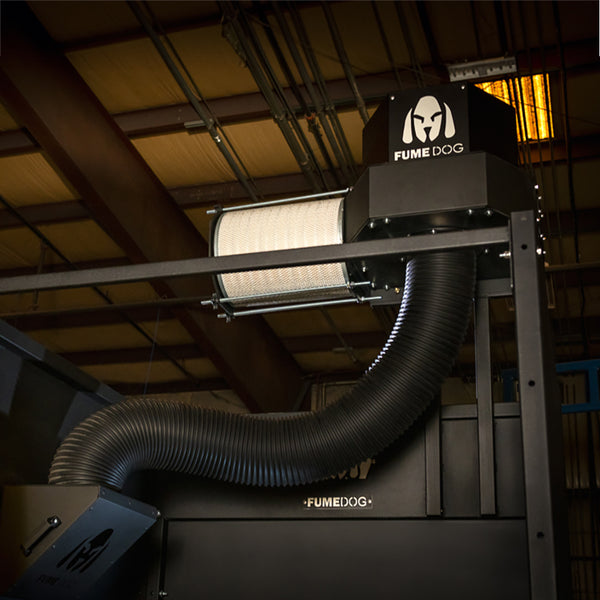
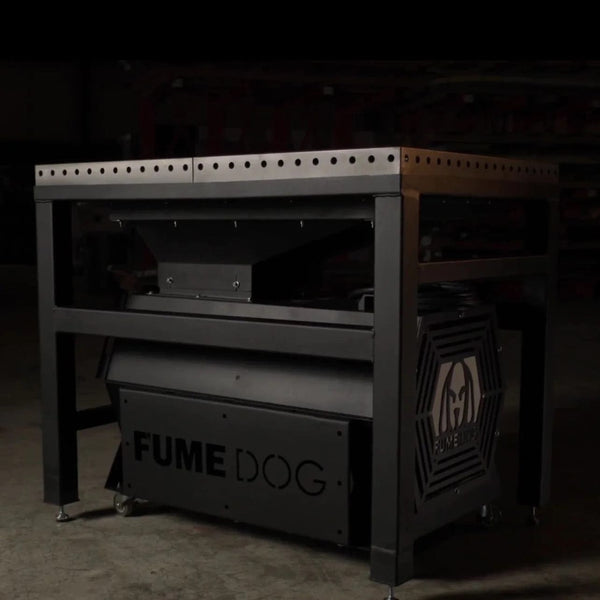
You've seen the breakdown. Source capture is where the real protection happens, and pairing it with the right equipment makes all the difference. Whether you need a portable extractor, a wall-mounted unit, fume arms, downdraft tables, or welding booths, Fume Dog has a full lineup of source capture solutions built to keep your welders breathing easy.
Browse the full Fume Dog shop and find the right fit for your facility.

See Our Featured Products
What Does "Source Capture vs Ambient" Actually Mean?
At its core, the debate around ambient vs source capture welding is about where you're pulling fumes from and when you're catching them. One method grabs fumes right at the welding arc before they ever reach a welder's face. The other tries to clean air that's already spread across the room. Same goal (clean air), very different execution.
How Source Capture Works
A source capture system collects weld fumes at or near their point of origin. Think of it like this: instead of letting smoke from a campfire fill your entire backyard, you hold a vacuum right next to the flame.
Source capture equipment includes tools like fume extraction arms, fume guns, hoods, downdraft tables, and welding booths. All of these are designed to capture contaminants before they have a chance to spread across the shop floor. By pulling fumes directly from the breathing zone of the welder, source capture keeps exposure as low as possible right where it matters most.
How Ambient Capture Works
Ambient systems take a different approach. Instead of capturing fumes at the point of fume generation, ambient air filtration works by cleaning all the air in a room or facility after the smoke has already drifted away from the weld. These systems circulate the overall air volume through a filtration unit, pulling contaminated air out on one side and pushing filtered air back in on the other.
It's a bit like turning on an air purifier after someone burns dinner. Sure, it helps, but you were already breathing in the worst of it before the machine kicked in.
Why the Capture Method You Choose Matters
Picking between source and ambient isn't just a preference thing. It has real consequences for your people and your bottom line.
Protecting the Worker's Breathing Zone
The single most important reason to care about your capture method is exposure. Welding creates harmful fumes and dust that can lead to serious health issues over time, from respiratory problems to long-term conditions tied to metals like manganese and other materials found in common welding consumables. If you want to learn more about the compounds that make weld fumes dangerous, check out our post on what compounds are found in common welding fumes.
Source capture is specifically designed to protect workers by grabbing fumes before they reach the worker's breathing zone. Ambient capture, on the other hand, cleans the general air in the facility but doesn't do much to stop the initial exposure right at the arc. The fumes have already passed through the welder's breathing zone before the ambient system has a chance to filter them.
Meeting Air Quality Regulations and Occupational Safety Standards
OSHA and other agencies set permissible exposure limits (PELs) for a reason. Falling out of compliance isn't just a safety issue; it's a legal and financial one. Source capture solutions are widely considered the preferred method for meeting these standards because they reduce the concentration of contaminants before they ever mix into the ambient air of your facility. Ambient systems can supplement this, but relying on them alone may not be enough to achieve compliance, especially with more toxic fumes.
If you want a deeper understanding of what the allowable limits look like, our breakdown of welding fume exposure limits is worth a read.

Source Capture Solutions: Getting Fumes at the Point of Origin
There's more than one way to capture fumes at the source. The right source capture solution depends on your welding process, the size of the parts you're working on, and how your shop is laid out.
Fume Extraction Arms
Fume extraction arms (sometimes called snorkels) are one of the most common source capture tools in the industry. They're positioned near the welding arc and use airflow to pull fumes away from the welder before they spread. They're flexible, relatively easy to install, and work great for stationary or semi-stationary welding stations. The key is making sure welders actually reposition them as they move along a weld line, which, let's be honest, doesn't always happen without a little encouragement.
Downdraft Tables
Downdraft tables pull air downward through the work surface, capturing fumes and dust beneath the workpiece. They're a suitable option for grinding, cutting, plasma work, and lighter welding applications. That said, because weld fumes naturally rise, a downdraft table alone may not prevent all fumes from reaching the breathing zone during heavier welding. They're excellent for specific tasks, though, and you can learn more about them in our post on what a downdraft table is and how it works.
Welding Booths and Enclosed Cells
Welding booths create an enclosed space around the welding station. Combined with built-in exhaust and filtration, they act as a contained environment that keeps smoke and fugitive emissions from escaping into the rest of the plant. This is especially effective in training facilities, schools, and shops with multiple welders working in close quarters. The idea is simple: contain the process, capture the fumes, and keep everything else clean.
When Ambient Systems Make Sense
Don't get us wrong. Ambient capture has its place. It's just not always the first line of defense.
Facilities with Robotic Welding or Large Parts
Some shops deal with large parts that can't be positioned near a fume arm or fit inside a welding booth. In robotic welding cells, the machine does the welding, and there may not be a human operator standing at the arc, but fumes are still being generated at high volume. In these situations, ambient systems can be an efficient way to manage overall air quality across the facility.
Similarly, some shops need to frequently rearrange their floor layout to accommodate different projects. Running ductwork to fixed capture points might not be practical. Ambient filtration gives these operations a way to keep the air moving without tying everything to a single spot on the shop floor.
Using Ambient as a Supplement, Not a Replacement
Here's the idea most experts agree on: ambient capture works best when paired with source capture, not instead of it. Source capture handles the heavy lifting by grabbing fumes right at the welding arc. Ambient systems then clean up whatever fugitive emissions escape, keeping the overall environment safer for everyone in the plant. This layered approach is especially smart in larger facilities with multiple welding stations where some amount of fume is bound to escape even the best source capture setup.
For more on how these systems function together, take a look at our in-depth post on how fume extraction systems work.
Source Capture vs Ambient: A Side-by-Side Comparison
Factor
Source Capture
Ambient Capture
Where it captures
At or near the welding arc
Throughout the entire room
Breathing zone protection
High — grabs fumes before they reach the welder
Low — fumes pass through the breathing zone first
Energy efficiency
Typically more efficient (smaller air volume needed)
Higher energy use (must move all the air in the space)
Ductwork requirements
May require ductwork to a collector
Minimal ductwork; unit often stands alone
Best for
Stationary weld stations, welding booths, downdraft tables
Large open facilities, robotic cells, supplemental filtration
Compliance
Preferred method for meeting PELs
May not meet PELs alone for high-fume processes
Flexibility
Some equipment (portable extractors, fume arms) is very flexible
Easy to deploy in changing layouts
How to Choose the Right Fume Capture Setup for Your Shop
There's no one-size-fits-all answer here, but there are a few things every shop should evaluate before making a decision.
Evaluate Your Facility Layout and Space
Take a hard look at your shop. How much space do you have? Where are your welding stations? Are there canopy hoods or other obstructions in the way? If your facility has fixed welding stations with room to position equipment nearby, source capture is almost always the move. If your layout is constantly shifting, you may need a combination of portable source capture equipment and ambient filtration to keep the air clean.
Consider Fume Generation and Materials
What you're welding matters. Different materials produce different levels and types of fumes. Stainless steel, for example, generates more hazardous fumes than mild steel. The rate of fume generation also matters. High-production welding creates a lot of smoke in a short amount of time, and a source capture system is far more effective at handling that concentrated output than an ambient unit pulling from across the room.
Think About Installation and Ductwork
Some capture solutions require significant ductwork to connect extraction points to a central filter or exhaust system. Others, like portable fume extractors, need almost zero installation. Consider your budget, your timeline, and how much disruption you can handle. If you're not sure where to start, our guide on how to choose the right fume extractor system walks through the decision-making process step by step.

Frequently Asked Questions
Can I Use Ambient and Source Capture Together?
Absolutely, and most experts recommend it. Source capture handles fumes right at the point of origin while ambient filtration cleans up whatever escapes into the rest of the facility. This layered approach gives you the best shot at keeping your entire shop floor safe and maintaining solid air quality across the board. Think of ambient as your safety net, not your starting lineup.
What About Facilities with Overhead Cranes?
This is one of the most common reasons shops struggle with source capture. Overhead cranes can make it difficult or impossible to install fume arms, hoods, or other equipment above or near welding stations. In these cases, ambient capture solutions can serve as the primary system, sometimes paired with portable source capture units that can be moved out of the crane's path when needed.
Does OSHA's Occupational Safety and Health Administration Require Source Capture?
OSHA doesn't specifically mandate source capture by name. What they do require is that employers keep employee exposure to harmful fumes below published permissible exposure limits. In practice, source capture is often the most reliable way to achieve those limits. Ambient systems alone may not reduce exposure in the worker's breathing zone enough to meet the standard, particularly with more toxic substances.
Is Source Capture Effective for Hexavalent Chromium?
Yes, and it's often considered essential. Hexavalent chromium is one of the most dangerous contaminants produced during stainless steel and chrome-alloy welding. OSHA's PEL for hexavalent chromium is extremely low, which means you need a capture system that grabs those fumes before they spread. A well-positioned source capture setup with proper filtration is the most effective way to keep exposure below the limit.
How Do I Know if My Current System Is Working?
The best way to find out is through air monitoring. Industrial hygienists can test the air at various points in your facility, including the welder's breathing zone, to measure contaminant levels. If your readings come back above PELs, your current system isn't doing the job. You may need to upgrade your source capture equipment, add ambient filtration, or both. Keeping up with filter maintenance also plays a big role in keeping your system performing at its best.
What Is the Most Efficient Capture Method for a Small Shop?
For most small shops, a source capture system is going to be your best bet. Portable fume extractors and fume extraction arms don't take up much space, they're relatively affordable to install, and they do a far better job of protecting welders from direct exposure than an ambient unit that has to process the air in the entire room. You get more bang for your buck because you're only treating the air that's actually contaminated, not trying to filter the entire space.