

Welding aluminum for beginners can seem intimidating at first, but with the right knowledge and approach, you'll be creating quality aluminum welds in no time. Unlike welding other metals, aluminum presents unique challenges that require specific techniques and equipment. This comprehensive guide will walk you through everything you need to know to start your aluminum welding journey successfully.
TLDR
• Aluminum welding requires different techniques than steel due to oxide layer, thermal conductivity, and low melting point
• TIG welding with AC current provides the best quality for beginners, while MIG requires special wire feeding considerations
• Proper preparation including thorough cleaning and oxide removal is critical for successful welds
• Heat management is crucial - start with lower settings and maintain consistent travel speed to avoid burn through
Ready to Start Your Aluminum Welding Journey?
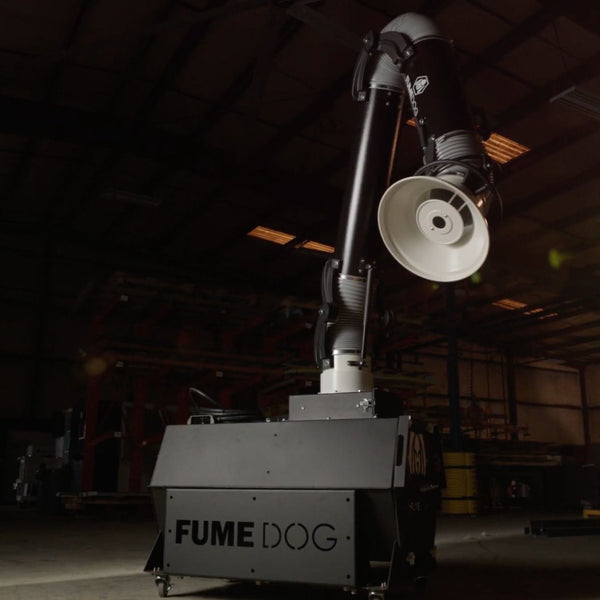
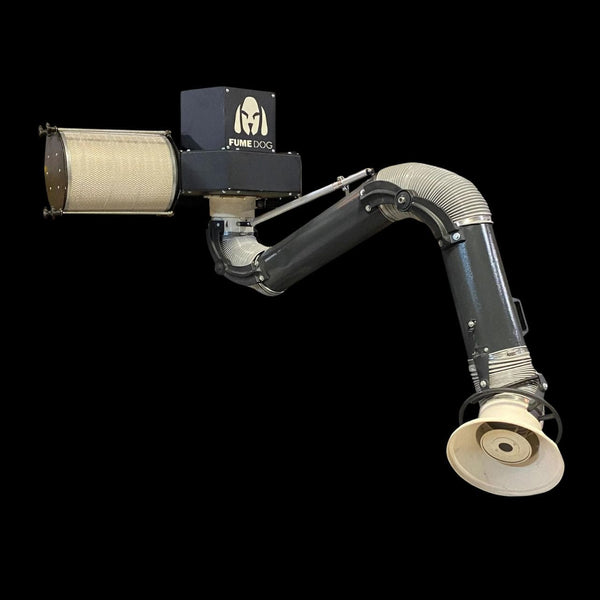
Now that you understand the fundamentals of welding aluminum for beginners, proper fume extraction becomes essential for maintaining a safe workspace. Whether you're practicing with a small hobby setup or planning larger projects, protecting yourself from welding fumes should be a top priority.
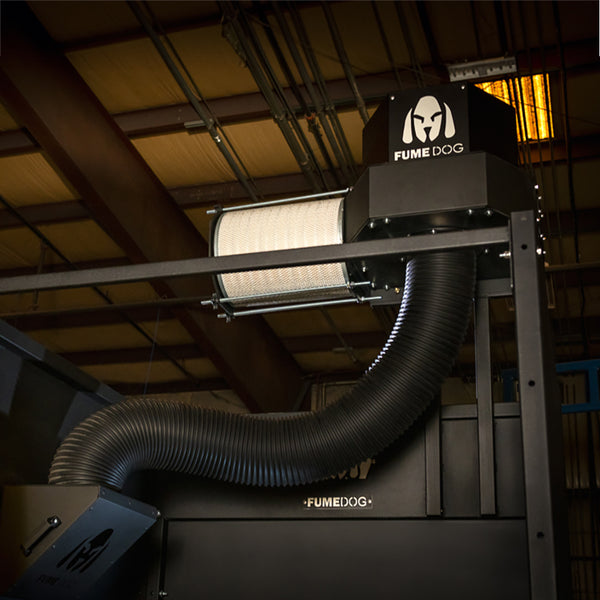
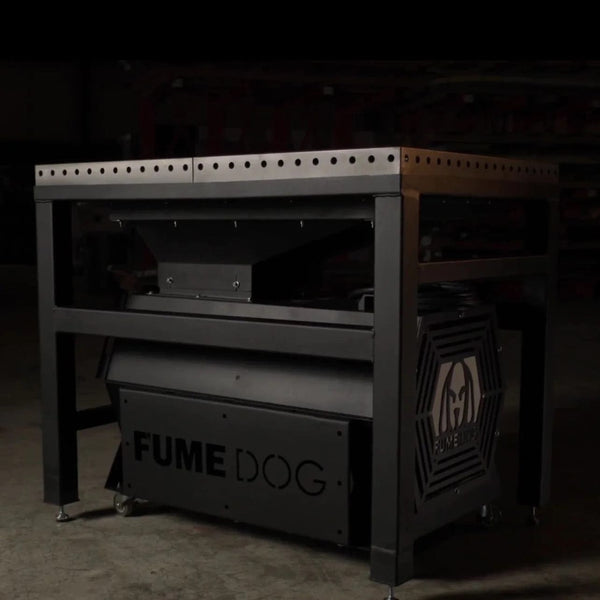
Explore Fume Dog's complete collection of welding fume extraction solutions designed to keep you safe while you perfect your aluminum welding skills.

See Our Featured Products
Understanding Aluminum Welding Basics
Why Aluminum Welding is Different from Other Metals
Aluminum welding requires a different approach compared to other metals due to its unique properties. Pure aluminum has a low melting point, making it prone to burn through if you apply too much heat. The material also forms an oxide layer on its surface that melts at a much higher temperature than the base metal itself, creating complications during the welding process.
When welding aluminum, you're dealing with a heat sink effect that can make achieving consistent penetration challenging. The thermal conductivity of aluminum means heat dissipates quickly, requiring precise heat input control. This is why many beginners struggle with maintaining a stable arc and achieving proper weld quality.
The aluminum oxide layer must be properly removed before welding to ensure clean aluminum surfaces. This oxide layer acts as a barrier that can lead to poor fusion and weak joints if not addressed correctly. Understanding these fundamental differences is crucial for anyone learning aluminum welding techniques.
Common Aluminum Alloys and Their Properties
Different aluminum alloys behave differently during the welding process. Pure aluminum is softer and more forgiving for beginners, while heat treated alloys require more careful consideration of material thickness and heat input.
The 1000 series alloys contain pure aluminum with minimal alloying elements, making them ideal for beginners to practice on. The 3000 and 5000 series are commonly used in fabrication work and respond well to both TIG and MIG welding processes. Understanding your base material is essential for selecting the appropriate filler metal and welding parameters.
Some aluminum alloys lose their strength when welded due to the heat affecting their metallurgical structure. This is particularly true for heat treated alloys in the 6000 series, where the weld area may become the weakest point of the finished piece.
Essential Equipment for Aluminum Welding
TIG Welding Setup and Requirements
TIG welding aluminum requires specific equipment and setup considerations. You'll need a TIG welder capable of alternating current (AC) output, as aluminum welding requires AC to break through the oxide layer effectively. The tungsten inert gas process provides the cleanest and most precise aluminum welds.
Your tungsten electrode choice matters significantly. Pure tungsten electrodes are traditional for aluminum work, though ceriated tungsten can also be used. The electrode should be balled rather than pointed for AC welding. A foot pedal allows for precise heat control, which is critical when working with aluminum's sensitive heat requirements.
Argon gas serves as your shielding gas for aluminum welding. Proper gas flow rate is essential - too little won't provide adequate protection, while too much can cause turbulence that draws atmospheric air into the weld area. The gas flow should be adjusted based on your material thickness and welding position.
For those just starting out, learn more about TIG welding to understand the fundamental principles that make this process ideal for aluminum work.
MIG Welding Aluminum Considerations
MIG welding aluminum presents its own set of challenges and requirements. The aluminum wire is much softer than steel wire, making it prone to bird nesting and feeding issues. A spool gun or push-pull system helps manage these wire feeding challenges effectively.
When mig welding aluminum, you'll typically use direct current electrode positive (DCEP) polarity. This provides good penetration while helping to clean the oxide layer during welding. The welding process requires higher wire speeds and travel speed compared to steel welding.
The filler material selection for MIG welding depends on your base metal composition. ER4043 and ER5356 are the most common aluminum MIG wires, each suited for different applications and base materials. Understanding which filler rod or wire to use with your specific aluminum alloys is crucial for weld quality.
To better understand the fundamentals of this process, check out our guide on how to understand MIG welding processes which covers the basics that apply to aluminum welding.
Choosing the Right Filler Material
Selecting the correct filler material is critical for successful aluminum welding. The filler metal should be compatible with your base material and intended application. For TIG welding, you'll use filler rod that you manually feed into the weld puddle.
ER4043 filler material works well with most aluminum alloys and provides good fluidity in the weld pool. ER5356 offers higher strength and is preferred for structural applications. The filler material should match or exceed the strength of your base metal when possible.
Consider the joint design when selecting filler material. Butt joints may require different filler considerations than lap joints or other configurations. The thickness of your material also influences filler selection, as thicker pieces may require filler materials with different flow characteristics.
Step-by-Step Aluminum Welding Techniques

Preparing Your Aluminum for Welding
Proper preparation is crucial for successful aluminum welding. Start by cleaning your aluminum surfaces thoroughly to remove any oil, dirt, or oxidation. A clean aluminum surface is essential for achieving good penetration and weld quality.
Remove the oxide layer using appropriate methods. A wire brush specifically designed for aluminum or chemical cleaning can effectively prepare the surface. Avoid using brushes that have been used on other metals, as cross-contamination can cause weld defects.
Cut your material cleanly and ensure proper fit-up. Gap and edge preparation are more critical with aluminum than with steel due to the material's thermal properties. Double check your joint preparation before starting to weld, as poor fit-up is difficult to correct once welding begins.
TIG Welding Aluminum Process
When you start TIG welding aluminum, begin with establishing your arc on the material edge or use a runoff tab. The aluminum tig welding process requires a stable arc to maintain consistent heat input throughout the weld.
Watch your weld puddle carefully as you progress. The molten aluminum should flow smoothly and wet out properly on the base material. Maintain consistent travel speed to avoid overheating the material, which can cause burn through or excessive heat affected zones.
Use proper torch angle and filler rod technique. The tig torch should be held at approximately 15-20 degrees from vertical, with the filler rod fed into the leading edge of the weld puddle. Avoid pulling the filler rod through the puddle, as this can introduce contamination.
Managing Heat Input and Travel Speed
Heat management is perhaps the most critical aspect of welding aluminum. Too much heat will cause burn through, especially on thinner material. Too little heat results in poor penetration and cold lap defects.
Start with lower heat settings and gradually increase as needed. It's easier to add heat than to recover from overheating. Watch the backside of your material when possible to monitor penetration without excessive burn through.
Your travel speed should be faster than you might use for steel welding. Aluminum's high thermal conductivity means you need to keep moving to prevent overheating any one area. Consistent travel speed helps maintain uniform bead appearance and penetration.
Safety Considerations and Fume Management
Understanding Aluminum Welding Fumes
While aluminum welding produces fewer toxic fumes than some other metals, proper ventilation is still essential. Aluminum oxide particles can be harmful when inhaled, and any surface treatments or contamination can create additional hazards.
Always wear appropriate safety glasses and protective equipment when welding aluminum. The intense light from aluminum welding can be particularly bright, requiring proper eye protection throughout the process.
Understanding the health risks associated with aluminum welding fumes helps you make informed decisions about your workspace ventilation and personal protective equipment. For more detailed information about welding health risks, read about how to prevent metal fume fever.
Proper Ventilation and Safety Equipment
Adequate ventilation is crucial when welding aluminum. Natural ventilation may not be sufficient, especially in confined spaces or when welding thicker pieces that require higher heat input.
Consider the specific hazards of toxic welding fumes when setting up your workspace. Aluminum welding produces particles and gases that should not be inhaled, making proper fume extraction essential for long-term health.
Professional fume extraction systems provide the most effective protection. Portable fume extractors offer flexibility for different welding locations while maintaining proper air quality in your workspace.
Common Beginner Mistakes and How to Avoid Them

Heat Management Issues
The most common mistake beginners make is using too much heat when welding aluminum. This leads to burn through, warping, and poor weld appearance. Start with conservative heat settings and gradually increase as your technique improves.
Another heat-related issue is not preheating thicker pieces properly. When welding thicker pieces of aluminum, some preheating may be necessary to achieve proper penetration without overheating the surface.
Inconsistent heat input creates uneven bead appearance and varying penetration. Practice maintaining steady parameters and consistent technique to avoid these issues.
Material Preparation Problems
Insufficient cleaning is a major cause of weld defects in aluminum. The oxide layer and any contamination must be completely removed for successful welding. Taking shortcuts in preparation will result in poor weld quality.
Using contaminated filler material or tungsten electrodes can introduce defects. Keep your welding consumables clean and replace them when contaminated.
Poor joint fit-up compounds the challenges of aluminum welding. Gaps that might be acceptable for steel welding can cause significant problems with aluminum due to its thermal properties.
Frequently Asked Questions
What makes tungsten inert gas welding ideal for aluminum work?
Tungsten inert gas welding provides precise control over heat input and produces clean, high-quality welds on aluminum. The process allows for excellent control of the weld puddle and minimal contamination when proper shielding gas coverage is maintained.
How does alternating current help with the oxide layer problem?
Alternating current provides a cleaning action that breaks up the aluminum oxide during welding. This cleaning action is essential for achieving proper fusion between the filler metal and base metal during the welding process.
What causes wasting material when learning to weld aluminum?
Poor heat control and inadequate preparation often lead to scrapped pieces when learning. Burn through from excessive heat and contamination from improper cleaning are the most common causes of wasted material during the learning process.
Why is the leading edge technique important in aluminium welding?
Feeding filler material into the leading edge of the weld pool ensures proper incorporation and reduces the risk of contamination. This technique helps maintain weld quality and prevents defects in the finished joint.
How do you avoid pulling the filler rod incorrectly?
Proper filler rod technique involves feeding the rod into the weld pool rather than dragging it through. Avoid pulling the filler rod as this can introduce atmospheric air contamination into the weld.
What equipment considerations are specific to aluminum welding?
Specialized equipment like spool guns for MIG welding and AC-capable machines for TIG welding are often necessary. The welder must be properly equipped to handle aluminum's unique requirements for successful results.