

When you're welding stainless steel, you're not just dealing with sparks and heat – you're creating a cocktail of potentially dangerous fumes that can seriously impact your health. Stainless steel welding fumes contain some nasty components that regular mild steel welding doesn't produce, making proper protection absolutely critical for anyone working with this material.
Key Takeaways
• Stainless steel welding produces hexavalent chromium, a known carcinogen that makes it more dangerous than welding other metals
• Proper fume extraction systems are essential – general ventilation alone won't protect you from these toxic particles
• Both personal protective equipment and engineering controls are necessary for safe stainless steel welding operations
• Long-term exposure to stainless steel welding fumes can cause serious health problems including respiratory diseases
Ready to Protect Your Health?
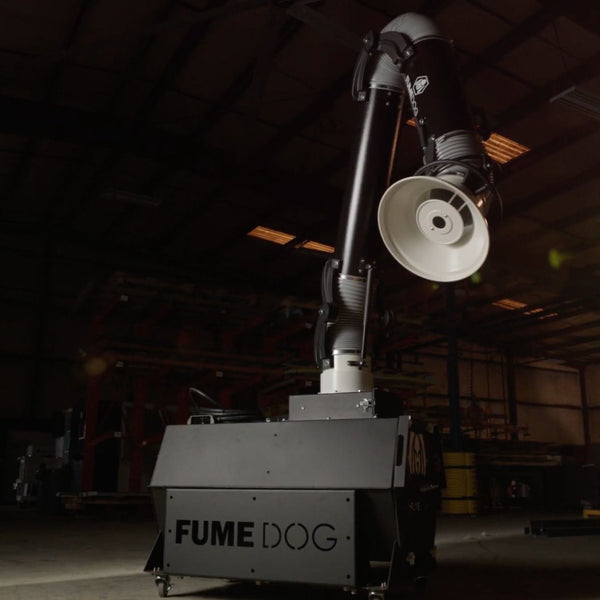
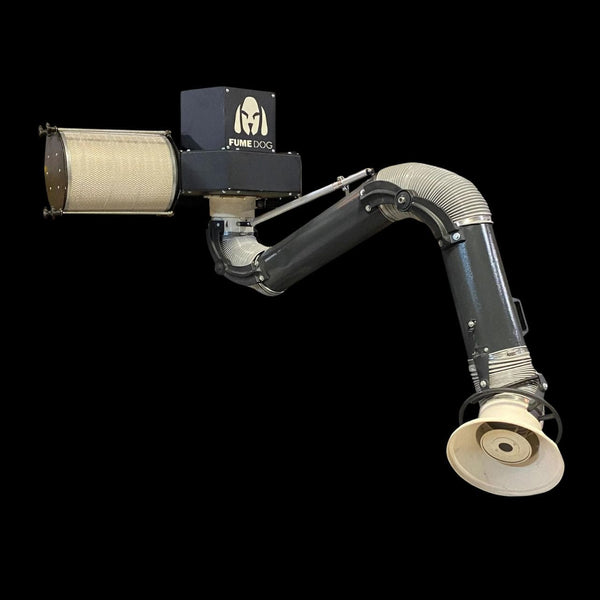
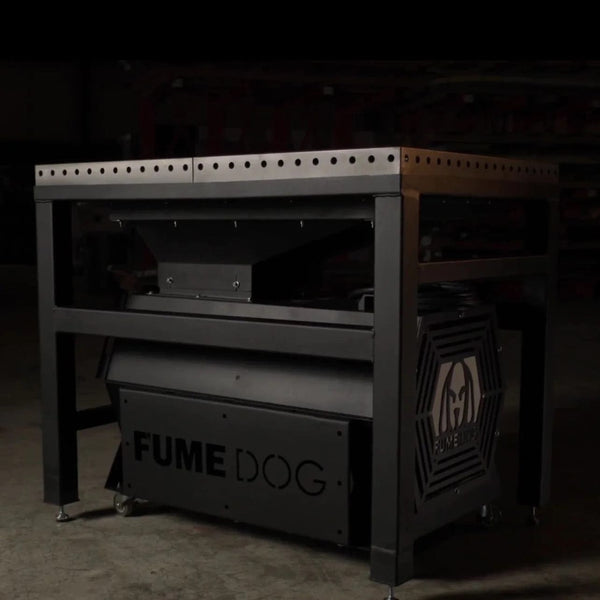
Don't gamble with your lungs when welding stainless steel. The toxic fumes generated during stainless steel welding operations require serious protection, and Fume Dog has the extraction solutions you need to keep breathing easy. Our portable welding fume extractors are specifically designed to capture dangerous particles right at the source, giving you the protection you need wherever your work takes you.
What Makes Stainless Steel Welding Fumes Different?
Stainless steel welding generates unique hazardous fumes that set it apart from other welding operations. Unlike welding mild steel, working with stainless steel produces specific toxic compounds that require special attention and protection measures.
The Role of Hexavalent Chromium in Stainless Steel Welding
The biggest villain in stainless steel welding fumes is hexavalent chromium – a known carcinogen that forms when chromium in stainless steel gets heated during the welding process. This toxic compound is what makes welding stainless steel particularly dangerous compared to other metals. Understanding hexavalent chromium risks is crucial for anyone working with stainless steel, as this substance can cause serious long-term health problems.
The concentration of hexavalent chromium in welding fumes varies depending on the specific stainless steel composition and welding technique used. Higher chromium content means more potential exposure to this hazardous substance.
Common Welding Processes That Generate Harmful Fumes
Different welding processes create varying levels of dangerous emissions when working with stainless steel. Mig welding typically produces more fume than tungsten inert gas welding, but both processes generate significant amounts of toxic particles when used on stainless steel.
What MIG welding involves includes using shielding gases that can affect fume production, while TIG welding processes generally create cleaner welds but still produce dangerous hexavalent chromium particles.
The welding operation itself – whether it's manual metal arc welding, flux cored arc welding, or mma welding – all contribute to the overall fume generation when working with stainless steel materials.
Health Risks Associated with Stainless Steel Welding Fumes

Exposure to stainless steel welding fumes creates significant health risks that every welder needs to understand. These hazardous fumes don't just cause immediate discomfort – they can lead to serious long-term health complications.
Impact on Your Respiratory System
Your respiratory system bears the brunt of stainless steel welding fume exposure. When you breathe in these toxic particles, they can cause immediate irritation and long-term damage to your lungs and breathing passages.
Welding gases and harmful fumes from stainless steel can cause respiratory inflammation, reduced lung function, and breathing difficulties. The fine particles in these hazardous substances can penetrate deep into your lung tissue, where they can remain for years.
Significant Health Risks from Prolonged Exposure
Long-term exposure to stainless steel welding fumes has been linked to serious health conditions. The hazardous fumes contain multiple toxic compounds that can accumulate in your body over time.
How to prevent metal fume fever becomes especially important when working with stainless steel, as the symptoms can be more severe due to the presence of chromium compounds. Beyond immediate illness, chronic exposure to these welding fumes has been associated with increased health risks including respiratory diseases and other serious conditions.
Essential Safety Measures for Welding Stainless Steel
Protecting yourself from stainless steel welding fumes requires a comprehensive approach combining personal protective equipment and proper workplace controls. Half-measures won't cut it when you're dealing with hexavalent chromium and other toxic compounds.
Personal Protective Equipment Requirements
A welding helmet alone isn't enough protection when working with stainless steel. You need respiratory protection specifically designed to filter out the fine particles and toxic gases produced during stainless steel welding operations.
Proper safety measures include using appropriate respirators that can handle the specific hazardous substances found in stainless steel welding fumes. Standard dust masks won't provide adequate protection against these dangerous particles.
Engineering Controls and Local Exhaust Ventilation Systems
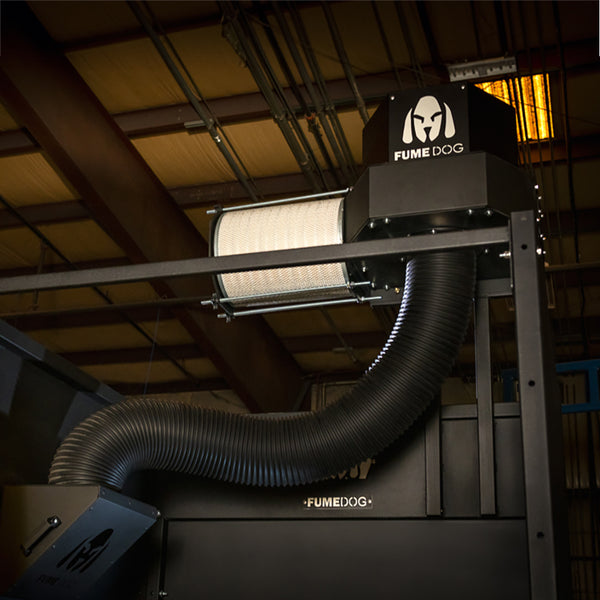
Personal protective equipment is your last line of defense – engineering controls should be your first. Local exhaust ventilation systems are designed to capture welding fumes right at the source, preventing them from spreading throughout your workspace.
These systems work by creating negative pressure that draws fumes away from your breathing zone and filters them out of the air. Local exhaust ventilation is far more effective than relying solely on general workshop ventilation for removing toxic welding gases.
Choosing the Right Fume Extraction Solutions

Not all ventilation systems are created equal, especially when dealing with the specific challenges of stainless steel welding fumes. You need targeted solutions that can handle the unique composition of these hazardous emissions.
Why Adequate Ventilation Isn't Enough
General workshop ventilation might seem like it's moving air around, but it's not specifically designed to capture and filter the fine particles found in welding fumes. Stainless steel welding produces particles so small they can remain airborne for hours, spreading throughout your workspace.
Fume extraction systems are specifically engineered to capture these particles at their source and filter them out before they can contaminate your breathing air. Learn more about what compounds are found in welding fumes to understand why specialized filtration is necessary.
Local Exhaust Ventilation vs. General Workshop Ventilation
Local exhaust ventilation works by capturing fumes directly at the welding location, while general ventilation just moves contaminated air around your shop. When you're dealing with toxic substances like hexavalent chromium, you want to remove them from the air entirely, not just circulate them.
Effective fume extraction requires positioning capture devices close to the welding operation to maximize collection efficiency. The closer the extraction point is to where the fumes are generated, the better it works.
Best Practices for Safe Welding Operations
Implementing proper safety measures for stainless steel welding goes beyond just having the right equipment – it's about creating a comprehensive safety culture in your workspace. Whether you're working in a confined space or an open shop, consistent safety practices are essential.
Position your fume extraction equipment properly for each welding operation. Different welding processes may require different extraction approaches, and factors like coatings present on the stainless steel can affect fume production.
Regular maintenance of your extraction systems ensures they continue providing effective protection. Even the best engineering controls won't protect you if they're not properly maintained and operated.
Consider the specific requirements of your welding operation, including the types of welding rods you use and the specific stainless steel grades you're working with. Some applications may require additional precautions beyond standard safety measures.
Frequently Asked Questions
What is metal fume fever and how does it relate to stainless steel welding?
Metal fume fever is a flu-like illness caused by inhaling metal oxides from welding fumes. When welding stainless steel, the risk is higher due to the presence of chromium and other toxic metals that can trigger more severe symptoms than those from welding mild steel.
Can welding stainless steel cause lung cancer?
Yes, exposure to hexavalent chromium from stainless steel welding fumes has been classified as a carcinogen. Long-term exposure without proper protection can increase the risk of developing lung cancer and other respiratory diseases.
What are iron oxides and why are they concerning in welding fumes?
Iron oxides are metallic particles that form when iron-containing metals are heated during welding. While less toxic than hexavalent chromium, they can still cause respiratory irritation and contribute to welding-related lung diseases when inhaled regularly.
How does carbon monoxide exposure occur during welding operations?
Carbon monoxide can be produced when welding in poorly ventilated areas, especially when organic materials or coatings present on the metal burn during welding. This colorless, odorless gas can cause poisoning if concentrations build up in confined spaces.
What makes manual metal arc welding particularly concerning for fume exposure?
Manual metal arc welding typically produces higher levels of welding fumes compared to other processes, and when used on stainless steel, it can generate significant amounts of hazardous particles including hexavalent chromium.
Why are galvanized steel and stainless steel welding both considered high-risk?
Both galvanized steel and stainless steel produce toxic fumes when welded, but for different reasons. Galvanized steel releases zinc fumes that cause metal fume fever, while stainless steel produces hexavalent chromium, which is carcinogenic.