

Welding is an essential skill across countless industries, but the effect of welding fumes on health is a reality that can't be ignored. Whether you're a seasoned professional or just starting your welding career, understanding the health risks associated with fume exposure could literally save your life. Let's dive into what those mysterious clouds of smoke really mean for your wellbeing.
TLDR
• Welding fumes contain dangerous metals and gases that can cause immediate illness like metal fume fever and long-term problems including lung cancer and neurological damage
• Confined spaces and poor ventilation dramatically increase exposure risks, making proper fume control systems essential for welder safety
• Different welding processes create different hazards - stainless steel produces carcinogenic hexavalent chromium while galvanized steel creates toxic zinc oxide fumes
• Local exhaust ventilation systems are more effective than personal protective equipment alone for controlling dangerous fume exposure at the source
Ready to Protect Your Health? Invest in Professional Fume Extraction
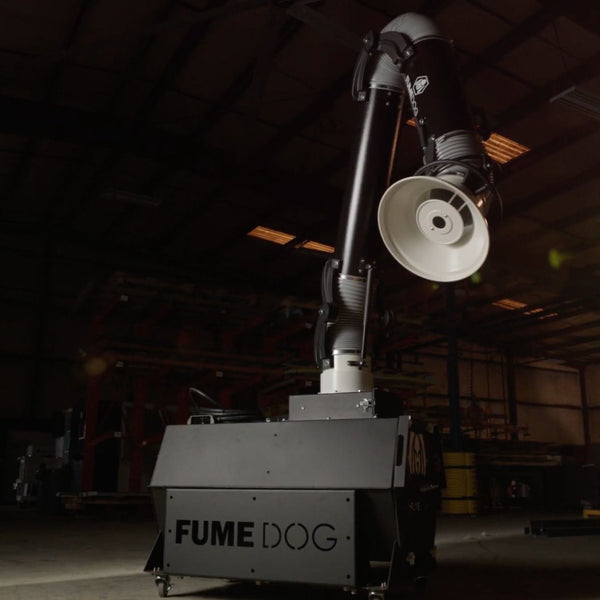
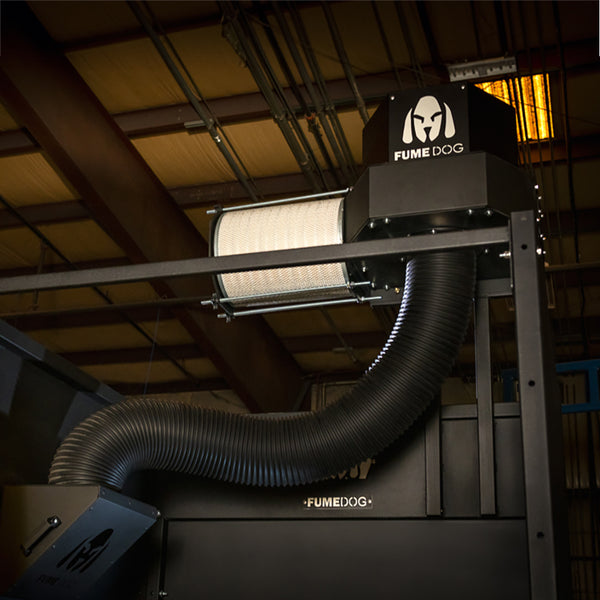
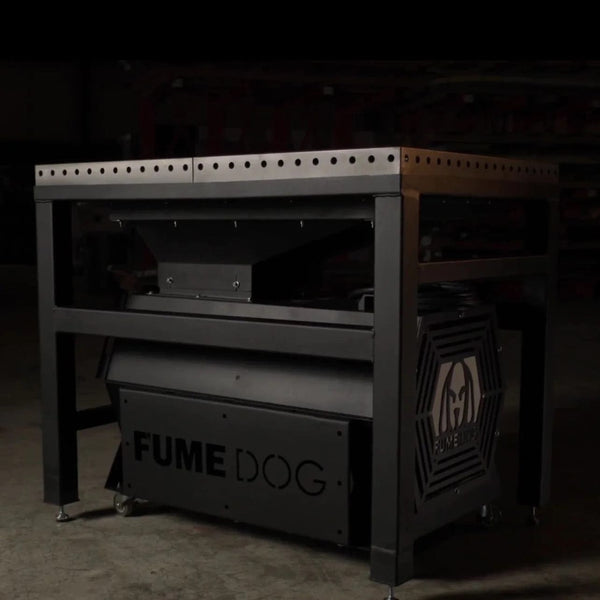
Don't let welding fumes compromise your health and career. The science is clear: exposure to welding fumes poses serious short-term and long-term health risks that can be prevented with proper fume extraction equipment. Fume Dog's professional-grade extraction systems capture dangerous fumes right at the source, giving you the protection you need to weld safely for years to come.
Take control of your workplace safety today. Browse our complete selection of fume extraction solutions and find the perfect system for your welding setup.
Understanding Welding Fumes and Their Composition
What Makes Welding Fumes So Dangerous?
Welding fumes aren't just harmless smoke—they're a complex cocktail of very fine particles and toxic gases that form when metals are heated to extreme temperatures during the welding arc process. These hazardous fumes contain a mixture of metal fumes, gases like carbon monoxide and nitrogen oxides, and other harmful substances that can wreak havoc on your respiratory system.
The fumes and gases produced during welding are so small they can penetrate deep into your lungs, bypassing your body's natural defense mechanisms. We're talking about particles that are literally microscopic—fine particles that your lungs struggle to filter out naturally. To understand just how toxic welding fumes really are, you need to know what you're actually breathing in every time you strike an arc.
Common Welding Processes and Their Fume Production
Different welding processes create varying levels and types of welding fume exposure. Arc welding procedures, whether you're doing MIG, TIG, or stick welding, all produce their own unique blend of toxic substances. The type of welding rod or wire you use, combined with the base metal, determines exactly what kind of chemical soup you'll be breathing.
Stainless steel welding, for instance, produces particularly nasty fumes containing hexavalent chromium—a known carcinogen that's especially dangerous. Meanwhile, welding on galvanized steel releases zinc oxide fumes that can cause immediate illness. Discover what compounds are found in common welding fumes to better understand what specific welding techniques might be putting you at risk.
Immediate Health Effects of Welding Fume Exposure

Metal Fume Fever: The Welder's Flu
One of the most common immediate reactions to exposure to welding fumes is metal fume fever—a condition so prevalent among welders it's earned the nickname "Monday morning fever." This isn't just a minor inconvenience; it's your body's alarm system telling you that you've been exposed to dangerous levels of toxic metals.
Symptoms include fever, chills, muscle aches, and fatigue that can knock you flat for days. While metal fume fever typically resolves on its own, repeated episodes can indicate chronic exposure that leads to more serious long-term problems. The good news? It's completely preventable with proper ventilation and safety measures. Learn more about what metal fume fever is and how to prevent it to protect yourself from this occupational hazard.
Respiratory Tract Irritation and Airway Problems
Exposure to welding fumes causes immediate airway irritation that goes far beyond a simple cough. Your respiratory tract bears the brunt of toxic fume exposure, leading to inflammation, breathing difficulties, and respiratory illness. Even short-term exposure can trigger asthma-like symptoms in healthy individuals.
The ultraviolet radiation from welding arcs compounds these problems by potentially damaging lung tissue, making it even more susceptible to chemical irritation. Workers report burning sensations in their throat and chest, persistent coughing, and shortness of breath—all signs that their respiratory system is under attack from toxic fumes.
Long-Term Health Risks from Chronic Exposure
Lung Cancer and Respiratory Disease
Perhaps the most frightening aspect of welding fume exposure is the increased risk of developing lung cancer. The International Agency for Research on Cancer has classified welding fumes as a Group 1 carcinogen, meaning there's sufficient evidence that they cause cancer in humans. This isn't a maybe—it's a scientific fact.
Chronic exposure to welding fumes also significantly increases your chances of developing chronic obstructive pulmonary disease (COPD), a progressive condition that makes breathing increasingly difficult over time. The health effects of welding extend beyond just cancer risk, encompassing a range of chronic health risks that can permanently alter your quality of life.
Lung function deterioration happens gradually, often going unnoticed until significant risk has already accumulated. Regular lung function changes monitoring is crucial for welders who want to catch problems early. Explore the connection between welding fumes and cancer to understand just how serious these long-term risks really are.
Neurological Effects from Metal Exposure
The adverse health effects of welding fumes aren't limited to your lungs. Manganese exposure from certain welding operations can affect your central nervous system, potentially leading to Parkinson's-like symptoms. This is particularly concerning for welders who work with manganese-containing materials without proper protection.
Studies have documented neurological problems in welders exposed to high levels of manganese over extended periods. Symptoms can include tremors, difficulty walking, and cognitive problems—possible adverse health effects that can be devastating to both your career and personal life.
Specific Hazardous Substances in Welding Fumes

Hexavalent Chromium and Stainless Steel Welding
When welding stainless steel, you're dealing with one of the nastiest substances in the welding world: hexavalent chromium. This particular form of chromium is extremely toxic and poses serious health risks even at relatively low exposure levels. It's a known carcinogen that can cause lung cancer, nasal problems, and skin irritation.
The danger with hexavalent chromium is that you can't see, smell, or taste it—making it a silent threat that many welders don't take seriously enough. Prolonged exposure to hexavalent chromium doesn't just increase cancer risk; it can also cause severe respiratory illness and other serious health problems.
Manganese Exposure and Central Nervous System Effects
Manganese exposure is another serious concern, particularly for welders working with certain electrodes and base metals. While manganese is an essential nutrient in small amounts, the levels present in welding fumes can be toxic to your nervous system.
The scary part about manganese poisoning is that symptoms often don't appear until significant damage has already occurred. By the time you notice problems with coordination, movement, or cognitive function, you may already have permanent neurological damage.
High-Risk Welding Scenarios
Confined Spaces and Poor Ventilation
Welding in confined spaces dramatically increases your exposure to toxic fumes because there's nowhere for the contaminated air to go. Without proper ventilation, fume concentrations can quickly reach dangerous levels that cause immediate health effects and contribute to long-term problems.
Confined space welding requires special precautions and equipment to ensure adequate air circulation. Even spaces that seem well-ventilated can become death traps when welding fumes accumulate. Understand why ventilation is crucial when welding in confined spaces to protect yourself in these high-risk situations.
Galvanized Steel and Toxic Gas Production
Welding on galvanized steel creates a perfect storm of toxic gas production. The zinc coating vaporizes at welding temperatures, creating zinc oxide fumes that can cause immediate metal fume fever. But that's just the beginning—the combination of carbon dioxide shielding gas, base metal vapors, and zinc creates a particularly nasty cocktail.
The possible underlying mechanisms for zinc toxicity involve overwhelming your body's natural detoxification systems. Workers exposed to galvanized steel fumes often experience the most severe cases of metal fume fever, sometimes requiring medical attention.
Protecting Your Health: Prevention and Safety Measures
Personal Protective Equipment Essentials
While personal protective equipment is important, it's not your first line of defense against welding fumes. Respirators can help reduce exposure, but they're not foolproof—especially against the ultrafine particles that make up the majority of welding fumes. Proper PPE should be part of a comprehensive safety approach, not your only protection.
The key is understanding that PPE is your last line of defense, not your primary strategy. Occupational safety experts emphasize that controlling fumes at the source is far more effective than trying to filter them out after you've already been exposed.
Local Exhaust Ventilation Systems
Local exhaust ventilation systems are your best bet for controlling welding fumes before they can harm your health. These systems capture fumes right at the source, preventing them from dispersing throughout your workspace and into your lungs.
Effective ventilation isn't just about moving air around—it's about creating a controlled environment where toxic fumes are immediately captured and filtered before they can pose a health risk. The investment in proper occupational exposures control pays dividends in both immediate comfort and long-term health protection.
Frequently Asked Questions
How do carefully controlled work environments reduce welding fume exposure?
Carefully controlled work environments utilize engineered ventilation systems, proper workspace design, and strict safety protocols to minimize fume exposure. These environments maintain negative pressure around welding areas and use specialized filtration to remove contaminants before they can affect worker health.
What role does the national institute play in welding safety research?
The national institute for occupational safety and health (NIOSH) conducts extensive research on welding fume hazards and develops safety guidelines for workers exposed to these risks. Their research helps establish exposure limits and safety protocols that protect welders across various industries.
What are the possible underlying mechanisms of welding fume toxicity?
The possible underlying mechanisms include direct cellular damage from toxic metals, oxidative stress from free radicals, and inflammatory responses in lung tissue. These underlying mechanisms work together to cause both immediate symptoms and long-term health problems in exposed workers.
How do actual workplace conditions differ from laboratory studies?
Actual workplace conditions often involve multiple exposure sources, varying ventilation effectiveness, and inconsistent safety practices that laboratory studies can't fully replicate. Real-world epidemiology studies performed in industrial settings often show higher exposure levels than controlled laboratory environments suggest.
Why does evidence suggest welding fumes exists as a health hazard?
Evidence that welding fumes exists as a significant health hazard comes from decades of epidemiological studies, clinical research, and workplace health monitoring. The overwhelming scientific consensus supports the classification of welding fumes as carcinogenic to humans.
How do different welding processes affect health risks?
Different welding processes produce varying types and amounts of toxic fumes. For example, stainless steel welding creates more hexavalent chromium, while other occupational exposures might involve different metal combinations. Each process requires specific risk assessment and protection strategies.